HelloI'm Youssef Khalil.For 15 years I've turned marketing budgets into profit you can measure.

+15years in marketing
+35people in my largest team
48MSAR in sales in a single season
Youssef Khalil in a black shirt, black-and-white photo
✸✦✤

Brands that trusted me

From automotive and luxury watches to hotels, tourism and sports, and from restaurants and retail to healthcare, across Egypt, Saudi Arabia, the UAE and Europe.

Mercedes-BenzLuxury automotive
RolexLuxury watches
Burger KingRestaurants
FordAutomotive
Victoria's Secret
BYD
Le Méridien
Saudi German Health
Cottonil
Mercato
EFAD Group
Gandour
Activ
Ghazi Abdulaziz Jamil

How I work with you

Three ways to work together, depending on where your company stands. Pricing depends on each client’s needs, and you get a written proposal before we start.

I lead your team

Who it's for
A company with a marketing team or agency that lacks direction and someone accountable for the numbers.
What I do
  • Strategy and a plan with weekly priorities
  • Weekly follow-up with your team and agencies
  • Reviewing campaigns and budgets before money is spent
  • A monthly report for management
Request a proposal

Part-time marketing manager

Who it's for
A company that needs an experienced marketing manager inside its management team, but not full time.
What I do
  • Fixed days with you every week
  • I own the marketing plan and budget
  • I build and manage the team and choose the agencies
  • Accountable to management for the marketing numbers
Request a proposal

My team delivers

Who it's for
A company with no marketing team, or one that wants to hand all execution to a single party.
What we do
  • Strategy and planning
  • Paid advertising
  • Content, creative and social
  • Measurement and a monthly report
Request a proposal

Service details →

✸✦✤

Numbers from real work

A service that became the brand itself

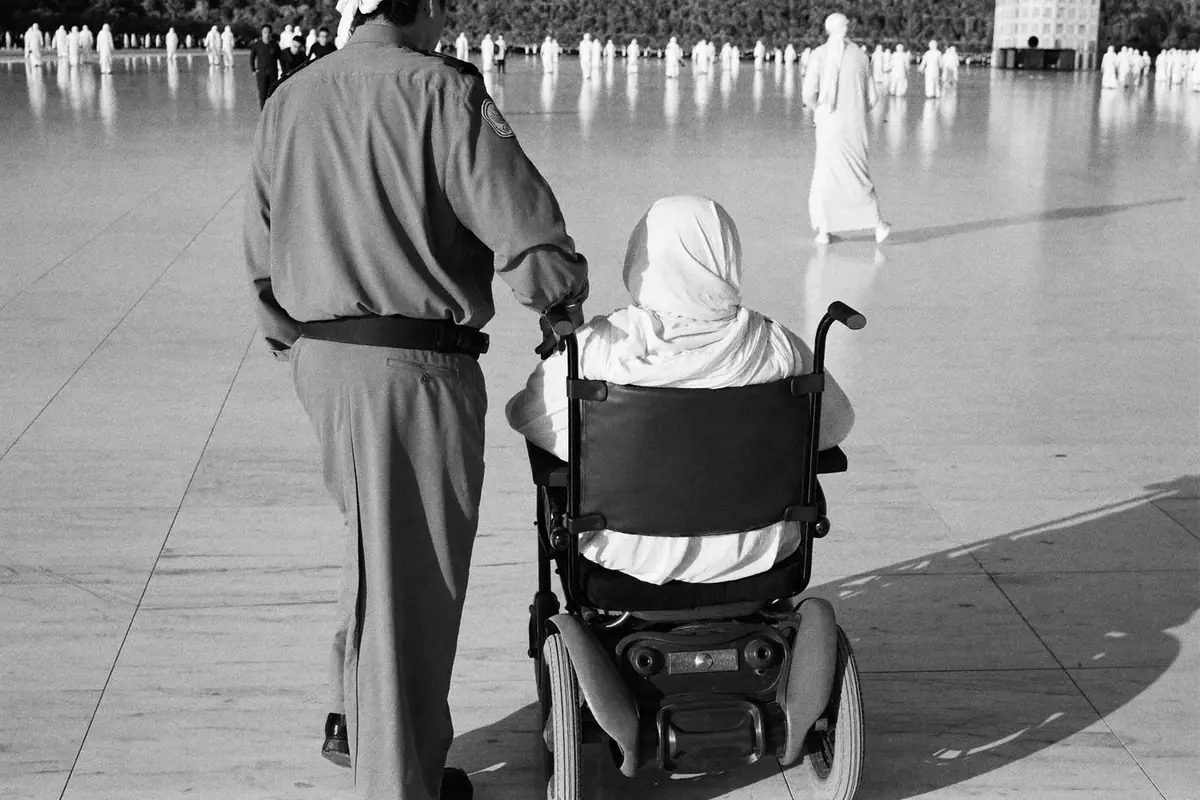
A mobility solution for the elderly and people with disabilities during Hajj and Umrah. My role: I developed the concept and secured the sponsor.

More sales with no extra ad spend

We fixed response, qualification and site visits. My role: rebuilding the customer journey with sales.

All case studies →

✸✦✤

Services

Three ways to work together. Pick the one that sounds like you:

I lead your team

You have a marketing team or agency at work, but they lack clear direction and someone accountable for the numbers.

Request a proposal
  • Monthly engagement
  • Weekly follow-up
  • Monthly report
What it covers
  • Strategy, positioning and offers
  • A quarterly plan with weekly priorities
  • A weekly follow-up meeting with the team and agencies
  • Reviewing campaigns and budgets before money is spent
  • Assessing and selecting staff and agencies
What you get
  • A written plan, updated every month
  • A monthly management report with results and decisions
  • A team that knows its priorities every week
It fits if

You have a team or agency executing and they need experienced leadership.

It doesn't fit if

You have no one to execute. In that case, my team is the better fit.

Part-time marketing manager

You need an experienced marketing manager as part of your management, but the workload does not yet call for a full-time hire.

Request a proposal
  • Monthly engagement
  • Fixed days each week
  • Part of the management team
What it covers
  • Fixed days every week, on site or online
  • The marketing plan, its budget and day-to-day decisions
  • Building and managing the team and choosing agencies
  • Attending management meetings
  • A monthly report with the numbers
What you get
  • A marketing manager with 15 years of experience without the full-time cost
  • A marketing function running on a system with clear priorities
  • One person accountable to you for the marketing numbers
It fits if

Your company has grown and needs a marketing manager, but it is too early for a full-time hire.

It doesn't fit if

You need someone present every day of the week.

My team delivers

You have no marketing team, or you want to hand all the work to one party accountable for the result.

Request a proposal
  • Monthly engagement
  • A full team
  • One point of contact
What it covers
  • Strategy and planning
  • Paid advertising
  • Content and creative
  • Social media management
  • Measurement and reporting
What you get
  • A specialist team working under my leadership
  • A monthly plan, executed
  • A monthly report with the numbers and the next step
It fits if

You want results without building a marketing department in-house.

It doesn't fit if

You have a strong team and only need leadership.

Pricing

No fixed packages. Pricing is set around each client's needs, and you get a written proposal before we start.

Getting started

Every engagement starts with a diagnostic: a review of the numbers, the accounts and the team, so the plan is built on what's actually there.

From first message to delivery

  1. Intro call

    Free. I learn the business and the problem, and tell you honestly whether I can help.

  2. Written proposal

    Scope, deliverables, timeline and price on one page. Pricing depends on what you need.

  3. We start with a diagnostic

    In the first two weeks we review the numbers, the accounts and the team. Then comes the plan and execution.

Before you reach out

What size of company do you work with?

From a store that advertises regularly to a group with branches. What matters is that there are numbers to work with and a decision-maker to talk to.

Which markets do you work in?

I've worked in Egypt, Saudi Arabia, the UAE and Europe. Every market has its own prices and customer behaviour, and I work with each client on the market they sell in.

What do you need from me to start?

View access to the ad accounts and the store or CRM, and sales figures for the last 3 months.

Who does the execution?

Your choice. If you have a team or agency, I lead them and review their work. If you don't, my own team executes under my leadership.

How is pricing set?

No fixed packages. Every client needs something different, so pricing is set around your needs, and you get a written proposal after the intro call.

✸✦✤

Results

A selection from 15 years of work. Open any case for the full story: the problem, the decision, what was done, and the number.

← All results
Hajj and Umrah · Saudi Arabia

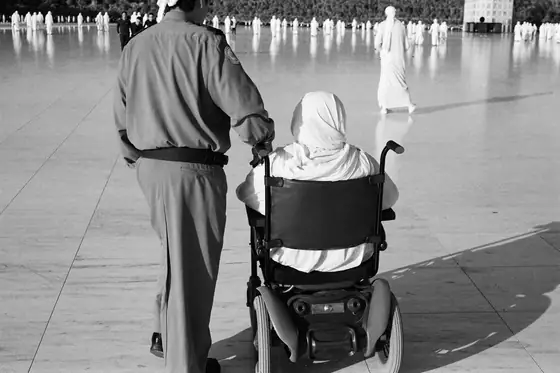
A service that became the brand itself

A mobility solution for elderly and disabled pilgrims, in a place where traditional advertising is restricted. The outcome: a single sponsor worth SAR 180M.

An elderly pilgrim in a wheelchair with an attendant in a wide marble courtyard
180MSAR sponsorship value
1one sponsor for the whole service

Background

During Hajj and Umrah, elderly and disabled pilgrims need a safe, comfortable way to move through very large crowds. This service was built specifically for them.

The challenge

The environment is tightly regulated and traditional advertising is restricted. No billboards, no campaigns in the form any brand is used to.

So the question was: how do you build a brand and bring in a sponsor where there is no advertising space?

The idea

Instead of looking for ad space, we made the service itself the platform: it is the brand, the sponsorship space and the visitor experience.

Visitors meet the brand while actually using the service, and the sponsor appears inside something that matters to people, not inside an ad.

What we did

  • Developed the business concept from the start.
  • Built the brand strategy.
  • Set the launch plan.
  • Designed the sponsorship model and took it to sponsors.

The result

One sponsor came in at SAR 180M.

← All results
Retail · Fashion · Saudi Arabia

A Ramadan season across a full branch network

One consistent seasonal campaign across every branch. SAR 48M in sales for the period on SAR 1.3M of marketing spend.

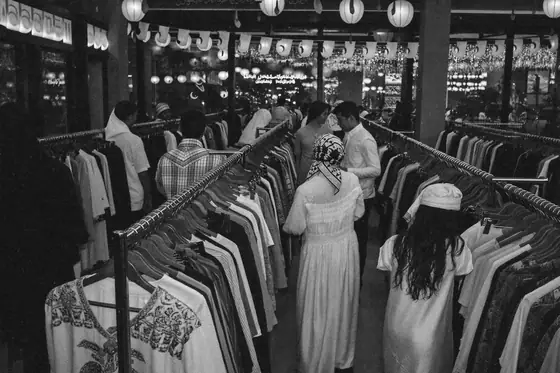
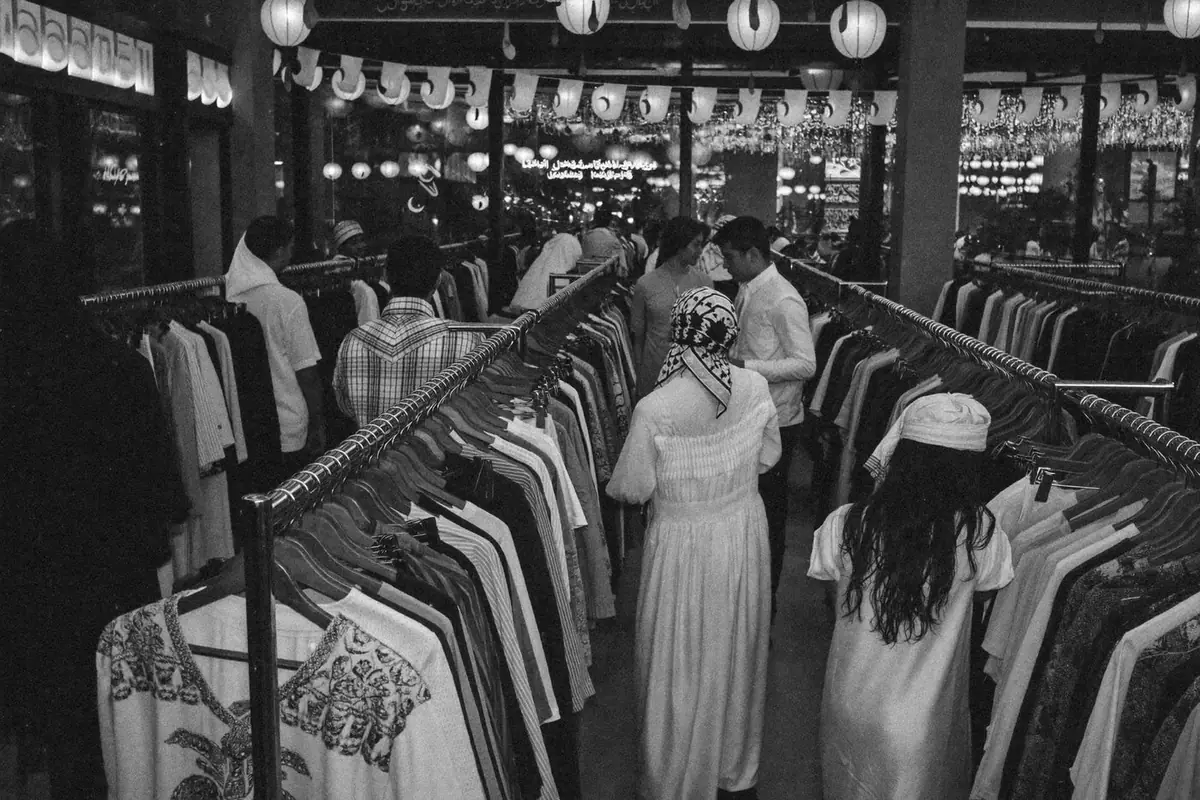
Shoppers in a busy clothing store during Ramadan
48MSAR in sales over the period
1.3MSAR in marketing spend

Background

Ramadan is the most important buying season in fashion. The group runs many branches, each with its own audience and demand.

The challenge

Capture the buying season with one brand and offer experience across all branches, without each branch going out with a different look and message.

The strategy

One seasonal positioning for the brand, broad reach through social and influencers, and a campaign tied to demand at each branch rather than a generic one.

What we did

  • Integrated planning for the whole season before it started.
  • Paid social advertising.
  • Influencer campaigns.
  • Daily coordination with branch management.

The result

Sales for the period reached SAR 48M, with marketing spend of SAR 1.3M.

← All results
Mercedes · Automotive

A car launch at luxury-brand standards

Real demand for a new model without the brand stepping down from its level. Return on ad spend: 32.8×.

A new car under a cover moments before its reveal at a launch event
32.8×return on ad spend
$2.7Mapproximate campaign budget

Background

The launch of a new model for a luxury brand. In this category, how the campaign looks is part of the product’s value.

The challenge

Support the launch with clear luxury positioning and, at the same time, generate demand that can be measured. Both together, not one at the expense of the other.

The strategy

We tied the brand story to the audience’s purchase intent in one launch campaign with clear priorities.

What we did

  • Digital planning for the campaign.
  • Production planning.
  • Coordinating campaign partners.
  • Continuous performance reviews throughout the campaign.

The result

A 32.8× return on roughly USD 2.7M of ad spend.

← All results
Burger King · Restaurants · Saudi Arabia

A 360° campaign in the quick-service market

Linking the brand message to commercial performance in a fiercely competitive market. SAR 73M in sales for the period on a SAR 900K campaign budget.

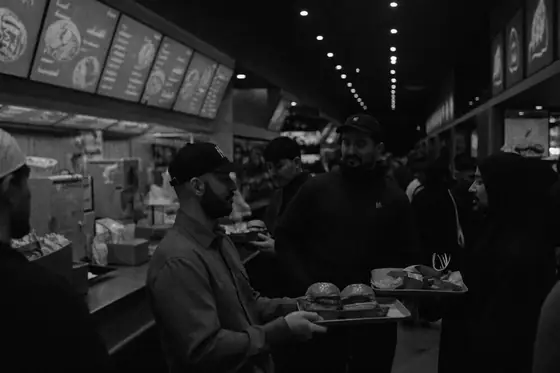
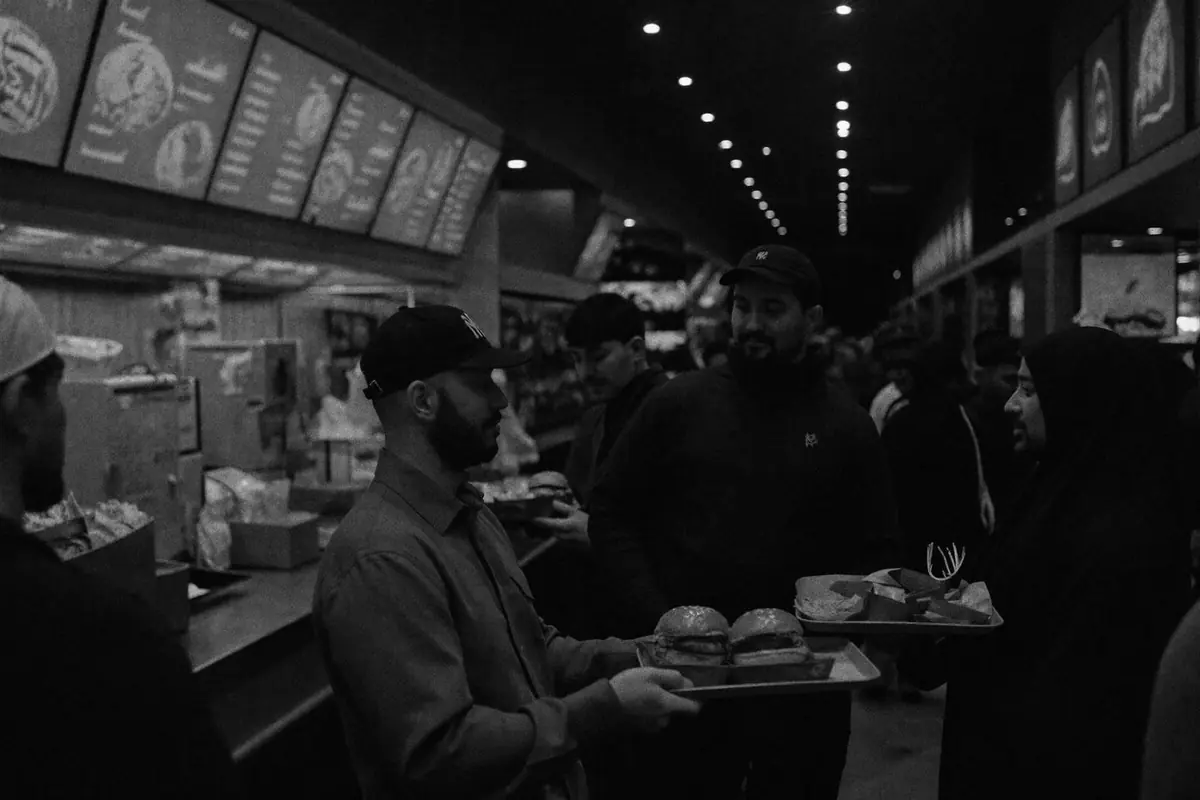
Customers at the counter of a busy fast-food restaurant at night
73MSAR in sales over the period
900KSAR campaign budget

Background

Quick-service restaurants are among the most competitive markets in Saudi Arabia, and a customer meets the brand in many places in a single day.

The challenge

An integrated campaign that reaches the customer at every touchpoint, without each channel saying something different.

The strategy

One message and one commercial measure, instead of each channel working and being measured on its own.

What we did

  • Planning a full 360 campaign.
  • Coordinating creative with every channel.
  • Tracking commercial performance, not channel metrics alone.

The result

Business sales for the period reached SAR 73M, on a campaign budget of SAR 900K.

← All results
Real estate · Lead management

More sales with no extra ad spend

Marketing said the numbers looked good while sales kept missing target. In under 60 days the conversion rate doubled on the same budget.

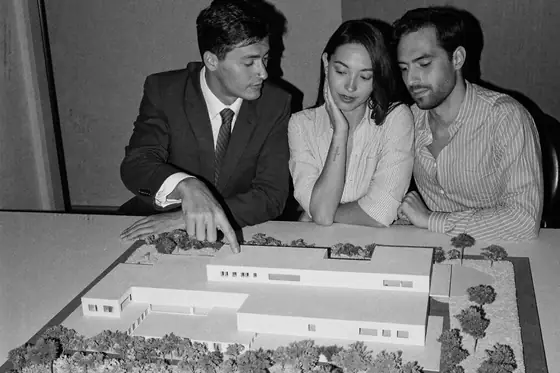
Buyers looking at a property development model with a sales agent
2×conversion rate
-35%cost per visit
-40%lost leads

The problem

Plenty of leads, very few site visits. Marketing believed its job was done, and sales believed the leads were weak.

The easy answer was to buy more traffic. That would only have made the same problem bigger.

What the numbers said

  • A property buyer talks to between 3 and 7 developers before deciding.
  • The decision takes 45 to 120 days.
  • More than 60% of leads drop out before they reach a site visit.

So the problem was not the number of leads. It was what happened after a lead came in.

The decision

Leave the ad budget exactly as it was, and fix the journey from first message to site visit to close.

What we did

  • Scoring every lead by how serious it is.
  • Smart routing of leads to the sales team.
  • Automated follow-up so no lead is forgotten.
  • Faster replies and clear qualifying questions.
  • Coordinated site visits and a clear owner for every stage.

The result

  • Conversion rate roughly doubled.
  • Cost per visit fell by more than 35%.
  • Lost leads dropped by more than 40%.
  • Contact rate rose by about 30%.
  • Ad click-through rate went from 0.8% to about 2%.
← All results
Luxury perfumes · Saudi Arabia

A 12.8 ROAS, and the company was losing money

SAR 1.28M in sales from SAR 100K in ads, and no net profit to show for it. In two months net profit rose 180%.

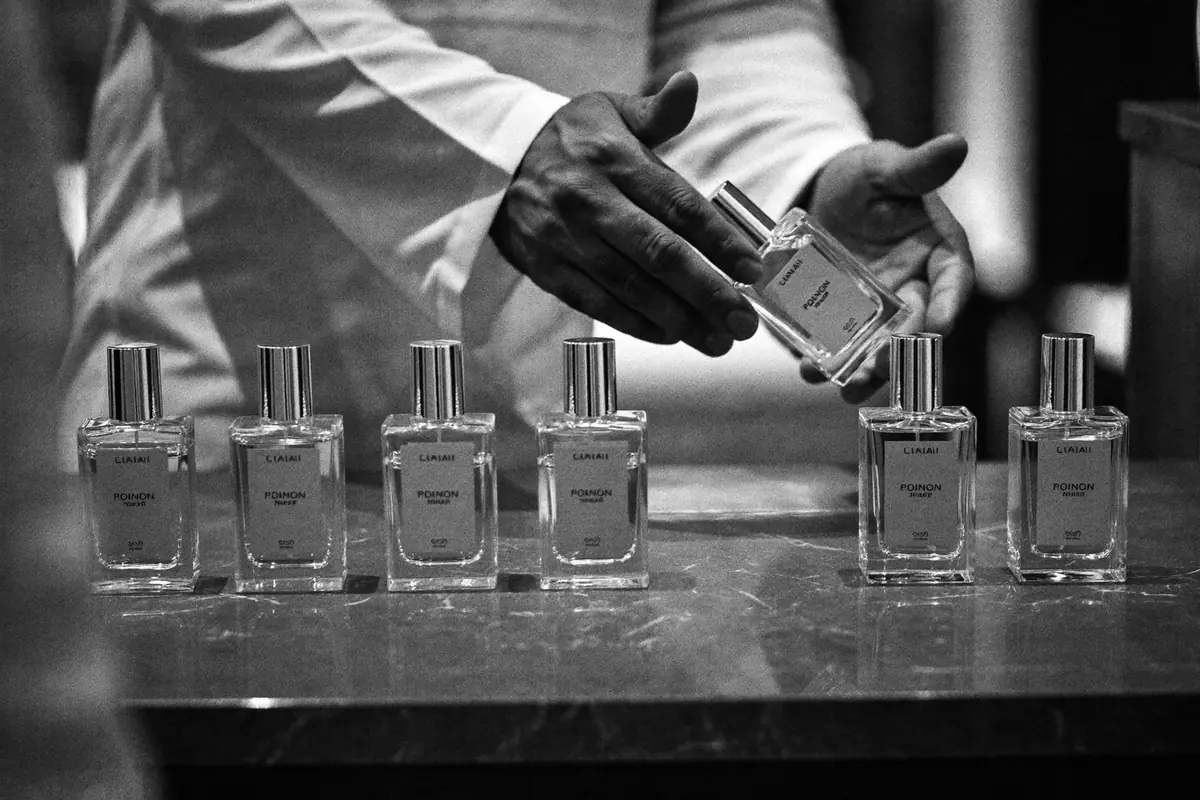
A hand presenting a luxury perfume bottle on a marble counter
+180%net profit
2.4profit per SAR of ad spend, up from 0.5
2months only

The problem

On paper everything looked excellent: SAR 100K in ads brought SAR 1.28M in sales. A ROAS of 12.8.

Yet the owner was not seeing money at the end of it.

What the numbers said

Once we calculated net profit after every cost, each riyal of advertising was returning only half a riyal of profit. A POAS of 0.5.

Sales were high, but a large share came from low-margin products, with shipping, returns and payment fees on top.

The decision

Stop measuring by sales and measure by profit. Campaigns get built around margin, not around the ROAS figure.

What we did

  • Reviewed every cost: product, shipping, returns and payment.
  • Calculated profitability for each product on its own.
  • Compared pricing against competitors.
  • Restructured campaigns by profit margin and acquisition cost.
  • Reduced returns by improving the customer experience.

The result

In two months ROAS came down from 12.8 to 8.2, profit per riyal of ads went from 0.5 to 2.4, and net profit rose 180%.

The ROAS number went down, and the company started making money.

← All results
Skincare · Egypt, UAE & Saudi Arabia

From a 1.8 ROAS to 5.2 in 90 days

A 22-product brand spending USD 15K a month with returns that would not move. The budget was not the problem. How it was split was.

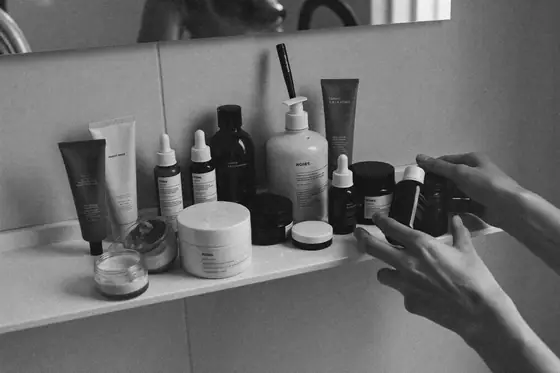
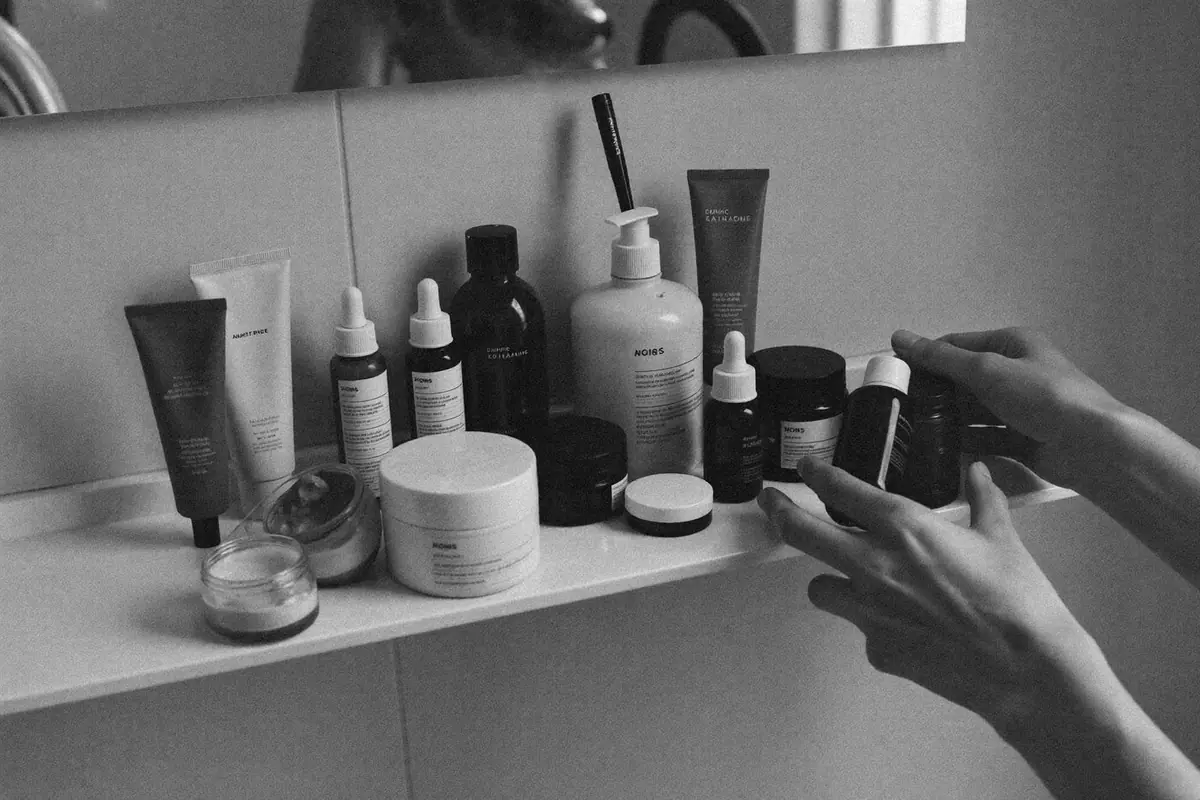
Skincare products lined up on a shelf with a hand reaching for one
5.2×return on ad spend, up from 1.8
$78.5Kmonthly sales, up from $27K
-38%cost per purchase

Background

A skincare brand with 22 products selling in Egypt, the UAE and Saudi Arabia. A crowded market with similar prices, and a budget of USD 15K a month.

What the numbers said

We found three problems, each with its own fix:

  • 70% of the budget was going to the top of the funnel, with no nurturing of the customer afterwards.
  • All spend sat on one platform, and people actively searching for the product were not being reached.
  • The same ad was shown to everyone, whatever their skin type or behaviour.

What we did

1. We re-split the budget: 40% bottom of funnel, 35% middle, 25% top. Conversion rate reached 2.3× and cost per purchase fell 37%.

2. We added Google alongside Meta: Performance Max and Search. Search click-through reached 7.9%, bounce rate fell 45%, and Google’s return overtook Meta’s.

3. We built a creative matrix per segment: customer content and educational videos. Click-through rose 66%, CPM fell 23%, and purchases tripled.

The result

  • Return on ad spend from 1.8 to 5.2.
  • Monthly sales from USD 27K to USD 78.5K.
  • Site visits from 42K to 117K.
  • Cost per purchase from USD 22.5 to USD 13.9.
  • Customer messages on Meta from 220 to 940.
← All results
Real estate · Ramadan season · Cairo

We raised the budget in Ramadan while the whole market was cutting

A residential project in East Cairo with an ad budget of about EGP 3.8M, and a CFO who wanted the campaigns stopped. We decided the opposite.

A handshake over a contract and apartment keys beside a window overlooking buildings
4.2×return on investment, up from 3.1×
+24%total sales
+34%lead-to-visit conversion

The problem

A week before Ramadan, cost per lead had reached EGP 420. Lead-to-visit conversion stood at 18% and the close rate at 11%.

The whole market cuts spend in Ramadan, and the question in the meeting was: do we stop the campaigns or cut them in half?

What the numbers said

Before deciding, we went back to the data from the previous Ramadan:

  • The number of leads fell 22%.
  • Site-visit attendance rose 31%.
  • The close rate rose 19%.

So fewer people enquire during Ramadan, but the ones who do are more serious.

The decision

We raised the budget by 30% instead of cutting it, and changed the whole way of working to fit the month.

What we did

  • Ads ran after iftar only.
  • A new sales script suited to Ramadan.
  • Every lead answered within 7 minutes.
  • Leads sorted by seriousness: hot, warm and cold.
  • Ads connected to the CRM and the on-site team.

The result

After 30 days:

  • The number of leads fell 14%.
  • Total sales rose 24%.
  • Return on investment went from 3.1× to 4.2×.
  • Lead-to-visit conversion rose 34%.
  • Revenue rose 22%.
← All results
Manufacturing · Egypt

Fewer enquiries, four times the customers

A plastic packaging factory spent about EGP 90K in three months, received around 600 enquiries and won just two customers. Management believed sales could not close.

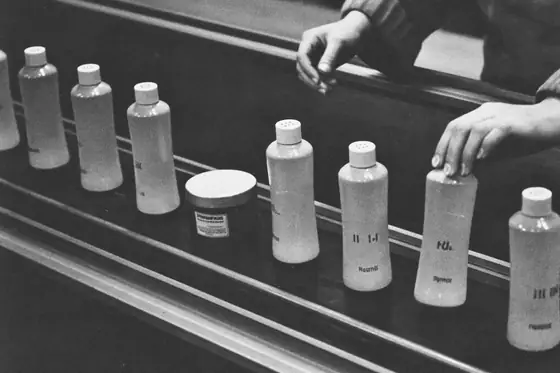
Empty plastic bottles on a factory production line
4×new customers, from 2 to 8
-75%cost to acquire a customer
2.4MEGP in first orders, up from 600K

Figures are approximate, recalled from memory; the client’s name is withheld.

The problem

The factory makes packaging for cosmetics and detergents. Cost per enquiry was EGP 150, which looked like good performance in the report.

But out of 600 enquiries, only two became customers.

What we found

We went through the enquiries and calls one by one:

  • 420 enquiries were for quantities below the economic minimum for production.
  • 120 were for products or materials the factory does not offer.
  • Only 60 were a reasonable fit.
  • The ad said “packaging for all your needs at the best price”, and the page showed no minimum order.
  • Quotations took four days on average.

So the problem was the kind of demand marketing was generating, and how fast a good request got a clear quote.

What we did

  • Focused on cosmetics companies ordering 10,000 units or more, instead of addressing the whole market.
  • A new page showing packaging types, materials, the minimum order and lead time.
  • A new message: “Test a sample of your packaging before approving the production order.”
  • Search campaigns split by packaging type, excluding terms such as “by the piece” and “home use”.
  • The enquiry form now asks for quantity, use and timing.
  • An owner for every request, a quote within 24 hours, and follow-up after the sample is delivered.

The result

Over the following three months, on the same ad spend (approximate figures):

  • Enquiries from 600 to 240.
  • Qualified enquiries from 60 to 120.
  • Formal quotations from 18 to 48.
  • New customers from 2 to 8.
  • First-order value from EGP 600K to EGP 2.4M.
  • Ad cost per new customer from about EGP 45,000 to about EGP 11,000.

Cost per enquiry rose from EGP 150 to EGP 375, while the cost to acquire a customer fell 75%.

← All results
Government tenders · Saudi Arabia

We bid for fewer tenders and won more

A building operations and maintenance company entered 12 government tenders in a year and won one contract. Management wanted more exhibitions and advertising.

A maintenance technician checking a control panel in an office building corridor
40%win rate, up from 8.3%
3.6MSAR in new contracts, up from 900K
5tenders instead of 12

Figures are approximate, recalled from memory; the client’s name is withheld.

The problem

One contract worth SAR 900K from 12 tenders. The ready explanation was that the company was “not known enough”.

What we found

We reviewed the opportunities with the tendering and operations teams:

  • 5 tenders required a track record or capabilities beyond what the company had.
  • 4 were outside the regions the company could serve efficiently.
  • Only 3 were a genuine fit.
  • The company profile was generic, with no documented response times or transition plan from the previous operator.
  • Proposals talked about headcount and equipment, while clients wanted service continuity, fewer breakdowns and faster response.

What we did

  • A scoring standard for every opportunity before bidding: technical fit, region, operating capacity, margin and qualification requirements.
  • A focus on operating office buildings in two regions only.
  • Documented case studies of past projects, a sample monthly performance report, and a transition and operations plan.
  • A matrix linking every tender requirement to proof of the ability to deliver it.
  • Introductory meetings through official channels, with registration and qualification completed before opportunities were issued.

The whole programme and proposal preparation cost SAR 240K.

The result

In the following year (approximate figures):

  • Tenders entered from 12 to 5.
  • Contracts won from 1 to 2.
  • Win rate from 8.3% to 40%.
  • New contract value from SAR 900K to SAR 3.6M, on two-year terms.

Signed contract value is not collected revenue. Of these contracts, SAR 1.2M of work was delivered within the year studied.

← All results
Pharma · Saudi Arabia

In the warehouse, but not on the shelf

An over-the-counter medicine. Shipments to the distributor were rising, pharmacy reorders were weak and branches had begun asking to return stock. Management saw a bigger discount as the answer.

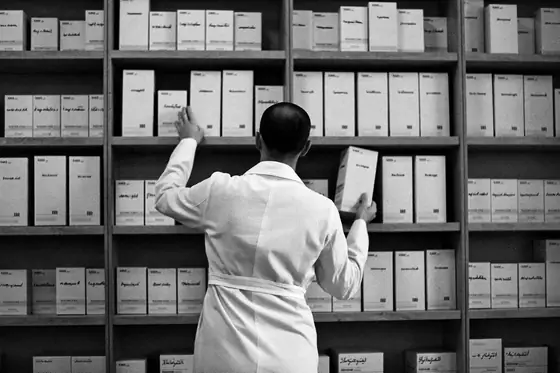
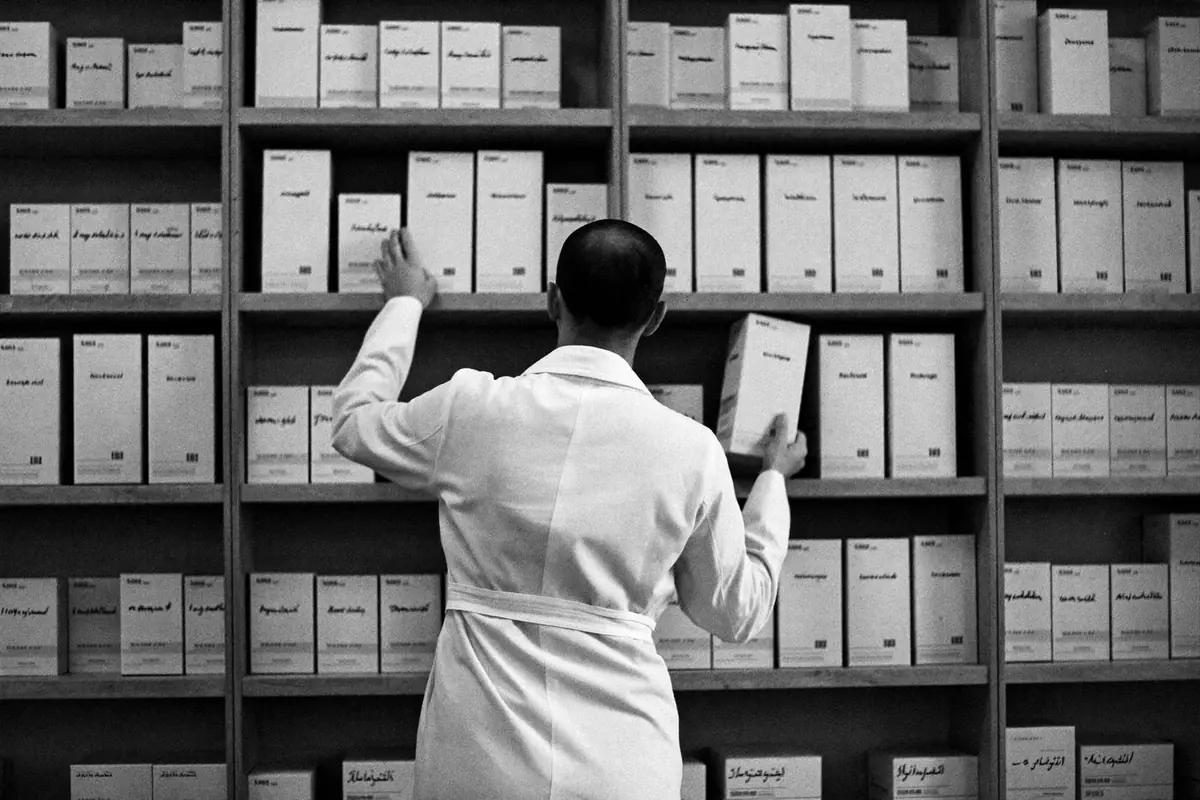
A pharmacist arranging medicine boxes on a pharmacy shelf
+18Kextra packs after removing control-group growth
1.4MSAR estimated extra revenue
6months, across 100 pharmacies

Figures are approximate, recalled from memory; the client’s name is withheld.

The problem

Sales to the distributor were growing on paper, but the product was piling up in pharmacies and not selling through to consumers.

What we found

We reviewed sell-out data and visited branches:

  • The product was in warehouses, yet unavailable in many branches when a customer asked for it.
  • Marketing messages showed the name and pack without a clear explanation of the approved use.
  • Pharmacists had no short material to help them explain the product.
  • Reps were assessed on shipments, so the incentive was to load stock rather than create demand.

What we did

  • Chose 100 pharmacies for the programme and 100 similar ones as a control. Each group was selling 10,000 packs a month.
  • Fixed distribution and set reorder levels.
  • Trained pharmacists on the approved product information.
  • An awareness campaign in the areas of participating branches, with messages cleared by medical and regulatory review.
  • Part of the sales team incentive was tied to sell-out and reorders.
  • Weekly stock monitoring.

The result

Over six months (approximate figures):

  • Expected for the programme group at its starting level: 60,000 packs.
  • Its actual sales: 84,000 packs.
  • Control group sales: 66,000 packs.
  • The increase after removing control-group growth: 18,000 packs.
  • Estimated extra revenue: about SAR 1.4M, against a programme cost of about SAR 300K.

The programme group grew 40%, but the control group grew 10% on its own. That is why we do not credit the whole increase to marketing.

← All results
Tourism · UAE

Plenty of bookings, with cancellations eating the return

A Dubai experiences company spent about AED 120K in three months and got around 240 bookings. The report looked excellent, until finance found that roughly a quarter of them had been cancelled.

A family in a 4x4 in the desert at sunset
3.4ROAS after cancellations, up from 2.25
10%cancellation rate, down from 25%
+50%revenue from completed bookings

Figures are approximate, recalled from memory; the client’s name is withheld.

The problem

A quarter of bookings were cancelled, and the average value of a completed booking was lower than expected. The ads were selling, but not everything sold was delivered.

What we found

  • The ad said “trips starting from…”, and that price excluded options most customers need.
  • Families and couples were seeing the same ad.
  • The booking page did not make the transfer time or the type of experience clear.
  • The result: the wrong customers, price comparison after booking, and cancellations.

What we did

  • Two clear packages, one for families and one for couples, each with a total price and what it includes.
  • A short video per package showing the actual day.
  • The campaign goal moved from “booking recorded” to “booking completed”, with the booking system tied to the ad source.
  • After paying, the customer receives a clear summary, the meeting point, what to bring and a reminder before the trip.
  • Spend was cut on campaigns that brought many cancellations.

The result

Over the following three months, on the same ad spend (approximate figures):

  • Confirmed bookings from 240 to 250.
  • Completed bookings from 180 to 225.
  • Cancellation rate from 25% to 10%.
  • Average completed booking value from AED 1,500 to AED 1,800.
  • Revenue from completed bookings from AED 270K to AED 405K.
← All results
Car dealership · Saudi Arabia

The same number of leads, twice the cars

A dealership spent about SAR 120K in three months, collected around 600 leads and sold only about 12 cars. Management said the audience was not serious and asked for new targeting.

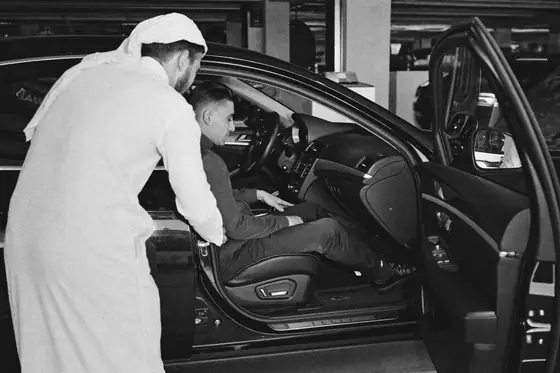
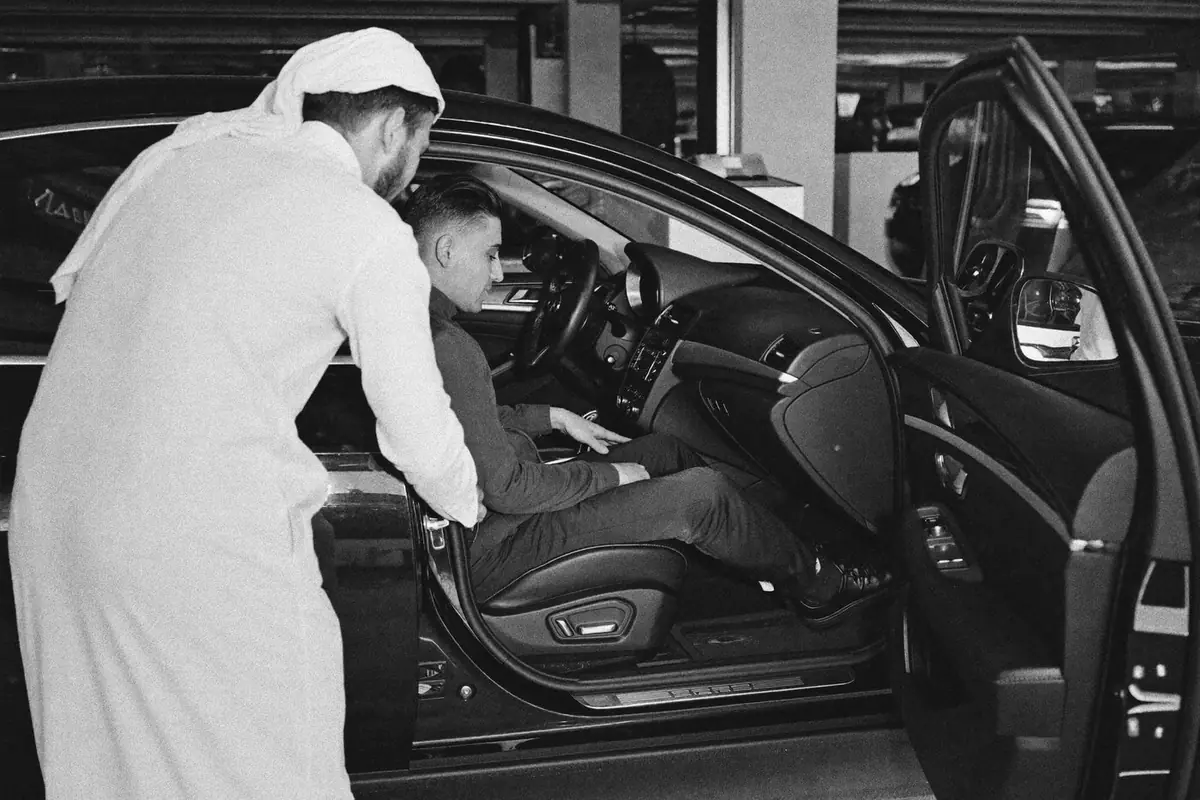
A customer in the driver’s seat of a new car in a showroom with a salesman
2×cars delivered, from 12 to 24
-50%ad cost per car
2.64MSAR in sales, up from 1.32M

Figures are approximate, recalled from memory; the client’s name is withheld.

The problem

The data was sitting in the CRM, but the showroom was not using it. 600 people registered and only 12 bought.

What we found

We reviewed the CRM and the calls:

  • The first attempt to contact a lead came after 19 hours on average.
  • Some leads received a single call and nothing more.
  • The ad said “see our offers” with no specific next step.
  • Test-drive appointments were not confirmed by message.
  • Ads were running on models not available for near-term delivery.

What we did

  • Stopped ads for unavailable models and tied the budget to sellable stock.
  • A new message: “Book a test drive for the available model at your nearest branch”, with offer and finance terms made clear.
  • Instant lead routing, targeting first contact within 15 minutes during working hours.
  • The customer picks the slot and receives a confirmation and a reminder.
  • Standard lost-sale reasons, such as finance or delivery date.

The result

Over the following three months, on the same ad spend (approximate figures):

  • Leads: 600 before and 600 after.
  • Test-drive appointments from 120 to 180.
  • Completed test drives from 60 to 120.
  • Cars delivered from 12 to 24.
  • Ad cost per car from SAR 10,000 to SAR 5,000.
← All results
Technology · Egypt

Cost per lead doubled, and subscriptions grew 2.4×

A clinic management software company spent about EGP 180K in a quarter, collected around 1,200 leads and won only about 20 subscriptions. Management was celebrating a falling cost per lead.

A clinic receptionist working at a computer with patients waiting behind her
2.4×paid subscriptions, from 20 to 48
-58%cost to acquire a subscriber
115KEGP monthly recurring revenue, up from 48K

Figures are approximate, recalled from memory; the client’s name is withheld.

The problem

Marketing was measured by the number of forms submitted. Cost per lead was EGP 150 and falling, while sales were going backwards.

What we found

  • The “free trial” ad attracted people who were only exploring, and clinics that did not need most of the software.
  • The most loyal and profitable customers were multi-doctor clinics needing scheduling, collections and permissions.
  • The ad platform counted every form as a conversion of equal value, whether its owner subscribed or disappeared.

What we did

  • Messages now addressed that segment’s problems: double bookings, tracking collections and managing several doctors.
  • The sign-up form asks about the number of doctors, the current way of managing and the decision date.
  • The CRM was connected to campaigns to measure: qualified, demo completed, paid subscription.
  • A demo built around the clinic’s own scenario, with a setup and training plan.

The result

In the following quarter, on the same campaign cost (approximate figures):

  • Total leads from 1,200 to 600.
  • Qualified leads from 120 to 240.
  • Completed demos from 60 to 120.
  • Paid subscriptions from 20 to 48.
  • Cost to acquire a subscriber from about EGP 9,000 to under EGP 4,000.
  • Added monthly recurring revenue from about EGP 48,000 to about EGP 115,000.

Cost per lead doubled to EGP 300, while the cost to acquire a subscriber fell by about 58%. That figure covers marketing only, excluding sales and onboarding cost.

← All results
Hospitals · Egypt

Plenty of messages, very few visits

A private hospital advertised every department in one campaign. In three months it spent about EGP 150K and received around 1,500 enquiries, and only about 180 people came in.

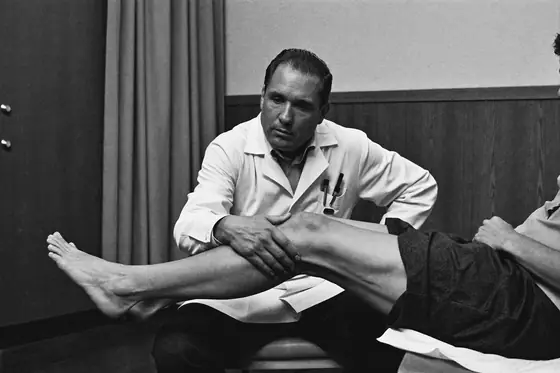
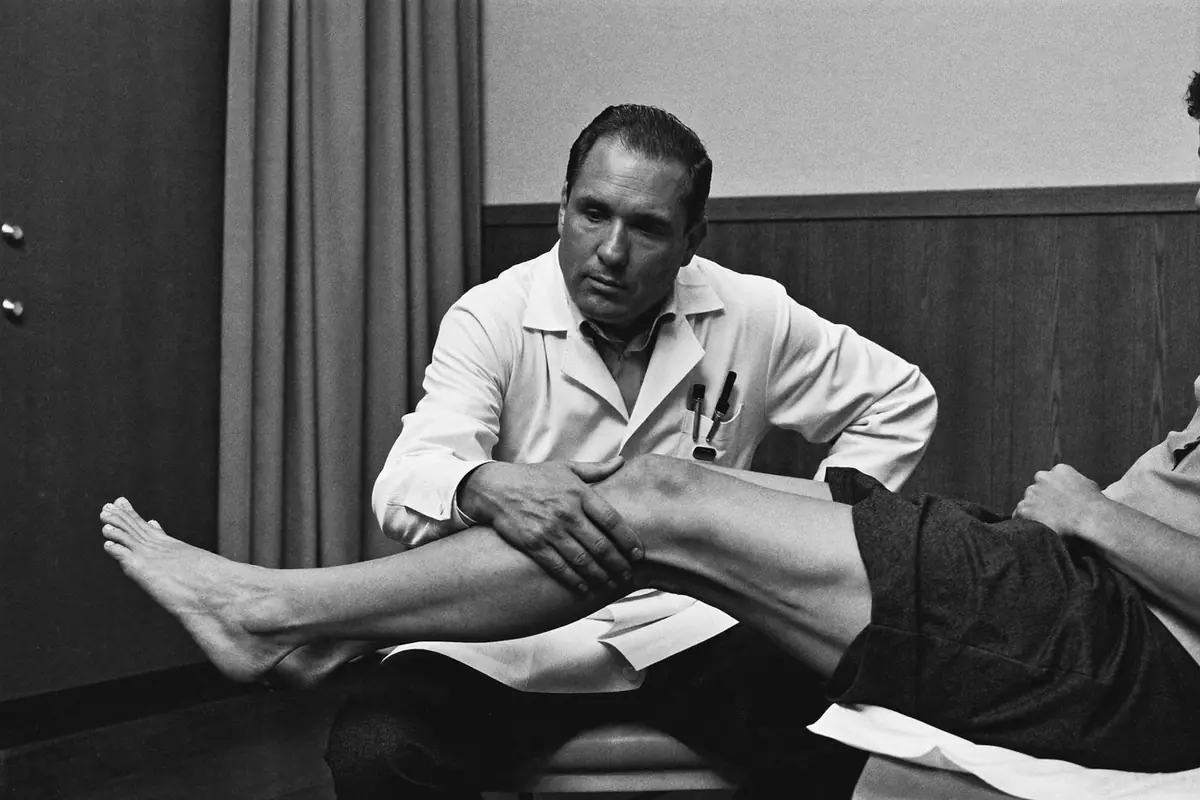
An orthopedic doctor examining a patient’s knee in a clinic
2×actual visits, from 180 to 360
75%show-up rate, up from 50%
-50%cost per visit

Figures are approximate, recalled from memory; the client’s name is withheld.

The problem

The campaign was succeeding in messages and failing in attendance. Management asked for more ads for the best-known doctors.

What we found

We traced a sample of calls:

  • The patient was passed between several staff members.
  • Some doctors’ appointments were far off, and there were no regular reminders.
  • Ads were running for departments that were already full, while orthopedics had open appointments and capacity.
  • The “integrated care” message did not answer the patient’s questions about the consultation, the doctor and the next step.

What we did

  • A dedicated campaign for the orthopedic services that had capacity.
  • Content explaining the diagnosis and treatment pathway, with no promise of guaranteed outcomes.
  • A direct booking path and appointment slots reserved for the campaign.
  • Confirmation and reminders with place and time, and an easy way to reschedule.
  • A report linking enquiry to booking, attendance and service, with medical decisions kept separate from sales targets.

The result

Over the following three months, on the same ad spend (approximate figures):

  • Enquiries from 1,500 to 1,200.
  • Bookings from 360 to 480.
  • Actual visits from 180 to 360.
  • Show-up rate from 50% to 75%.
  • Cost per visit from about EGP 830 to about EGP 420.
  • Service revenue attributed to the campaign from EGP 540K to EGP 1.08M.
← All results
Aesthetic clinics · UAE

We stopped the 40% discount, and revenue more than doubled

An aesthetic clinic spent about AED 90K in three months on a “40% off” ad. It received around 900 enquiries, and only about 30 cases went on to a medically suitable procedure.

A dermatologist in a consultation with a patient holding a mirror
3.7ROAS, up from about 1.7
+60%completed cases, from 30 to 48
7,000AED average revenue per case, up from 5,000

Figures are approximate, recalled from memory; the client’s name is withheld.

The problem

The discount attracted people comparing prices, some of them expecting unrealistic results. Average revenue per case was falling.

What we found

  • The message led with price before the doctor’s specialty or who the procedure suits.
  • The campaign bundled different services into a single ad.
  • Follow-up repeated the discount instead of explaining the assessment and expectations.
  • A large share of bookings did not show up.

What we did

  • Chose one service tied to the doctor’s expertise.
  • Content explaining the right candidate, the limits of results and recovery time, using approved materials and consents.
  • Stopped general discounts and focused on consultation, assessment and an individual treatment plan.
  • Follow-up split by service, with appointment confirmation and questions answered before the visit.
  • With no pressure on the patient to make a medical decision.

The result

Over the following three months, on the same ad spend (approximate figures):

  • Enquiries from 900 to 450.
  • Consultations booked from 180 to 150.
  • Attendance from 90 to 120.
  • Cases completing the procedure from 30 to 48.
  • Average revenue per case from AED 5,000 to AED 7,000.
  • Procedure revenue from AED 150K to AED 336K.
← All results
Influencers · Skincare · Saudi Arabia

The same SAR 3M, and more than double the sales

A skincare brand spent about SAR 3M on an influencer campaign and made about SAR 8.4M in sales. Views were high and the return was below target. The next campaign made about SAR 17.6M on the same budget.

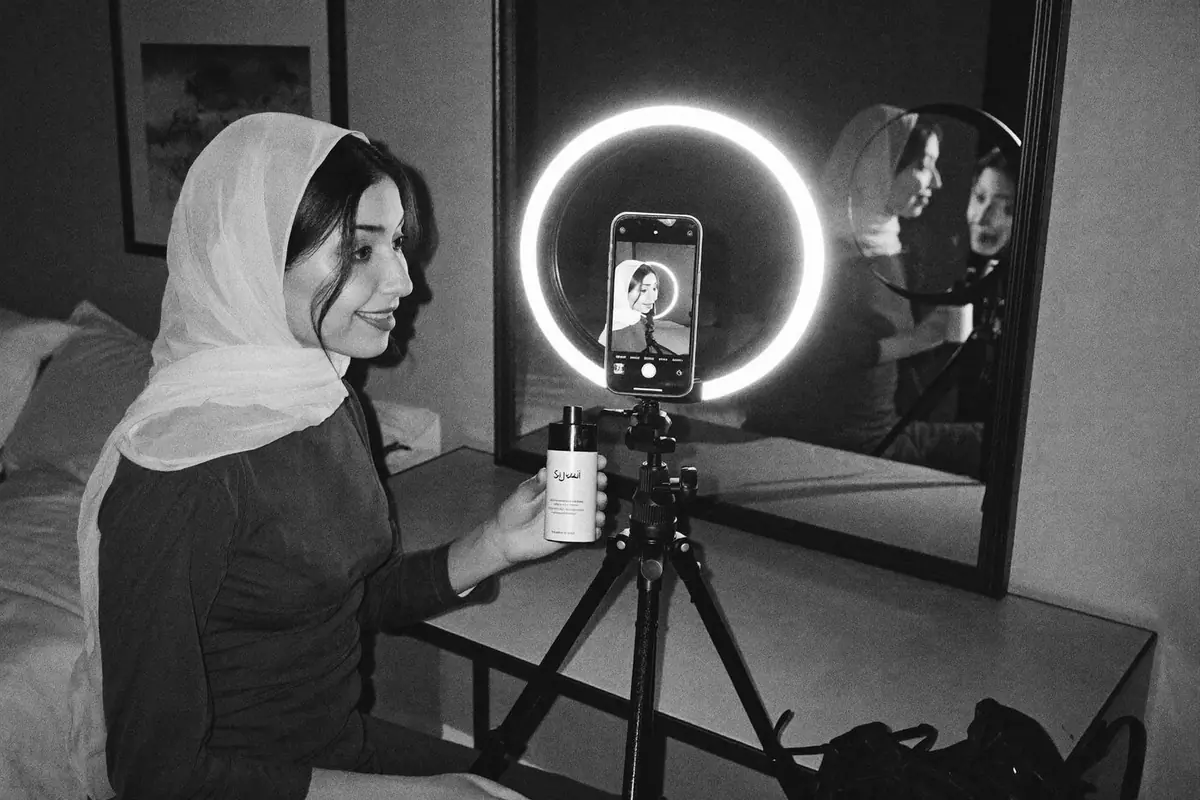
A content creator filming herself on a phone while holding a skincare product
17.6MSAR in sales, up from 8.4M
5.9×sales per riyal spent, up from 2.8
56content creators

Figures are approximate, recalled from memory; the client’s name is withheld.

The problem

The budget covered influencer fees, content production and paid amplification. Management was happy with the views, but the return was not convincing.

What we found

We analysed each influencer’s results separately:

  • Most of the budget went to big names, while smaller creators delivered a lower acquisition cost.
  • The content showed many products at once.
  • Links opened the home page.
  • New customers did not know which product to start with.

What we did

  • 56 creators in different roles: 3 big names for reach, 8 mid-size for explanation and comparison, and 45 specialists for specific segments.
  • A limited test first, then budget moved to whoever performed best on completed orders.
  • One hero product with a full routine bundle.
  • A dedicated purchase page for each need.
  • Winning content was reused in paid ads with clear usage rights.
  • Removed double-counting between codes, links and ads.

The result

In three months, on the same campaign cost (approximate figures):

  • Completed orders after cancellations and returns from 20,000 to 42,000.
  • Average net order unchanged: SAR 420.
  • Net sales attributed to the campaign from about SAR 8.4M to about SAR 17.6M.
  • Cost per completed order from about SAR 150 to about SAR 70.

These are sales attributed to the campaign. The exact causal uplift would need a controlled test.

← All results
Influencers · Tourism · UAE

Influencers selling the trip, not the view

A regional travel company hosted influencers at high cost, and the content only showed how beautiful the place was. People engaged and asked, then stopped at the price and the transfer details.

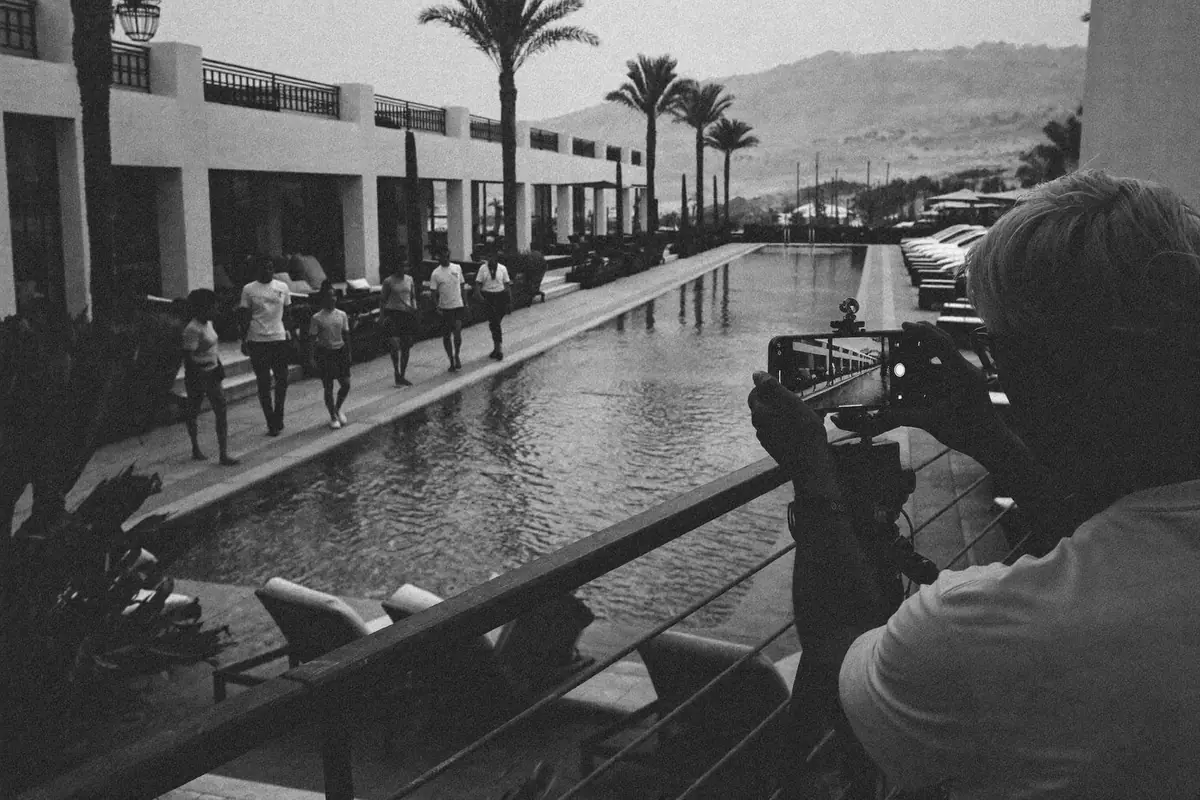
A content creator filming on a phone by a hotel pool with a family walking behind
14.3MAED in completed bookings
7×revenue per dirham spent
3,400completed bookings after cancellations

Figures are approximate, recalled from memory; the client’s name is withheld.

The problem

The company sells family packages and experiences, with hotel and operator contracts able to serve thousands of bookings. Engagement was high and bookings were weak.

What we found

We reviewed customer conversations. The main reasons bookings were lost:

  • The total cost was unclear.
  • It was unclear whether the experience suited children.
  • Dates were hard to coordinate.

What we did

  • Separate packages for families, couples and groups, with a clear total price and dates that were actually available.
  • 18 influencers from target markets, each showing the experience that fits their audience: planning, arrival, stay, activities and cost.
  • Publishing spread over four months in line with available capacity.
  • Pages connected to the booking system.
  • A follow-up team for high-value bookings.
  • Results measured after trips took place, not after booking.

The result

  • Total campaign cost, including hosting and amplification: about AED 2M.
  • Visits to package pages: 240,000.
  • Confirmed bookings: 4,000.
  • Completed bookings after cancellations: 3,400.
  • Average net booking value: AED 4,200.
  • Revenue attributed to the campaign: about AED 14.3M.
← All results
Influencers · Restaurants · Egypt

Did the food bloggers really bring new demand?

A 60-branch restaurant chain. Food blogger codes were being used a lot, but management could not tell: was this new demand, or existing customers using the discount?

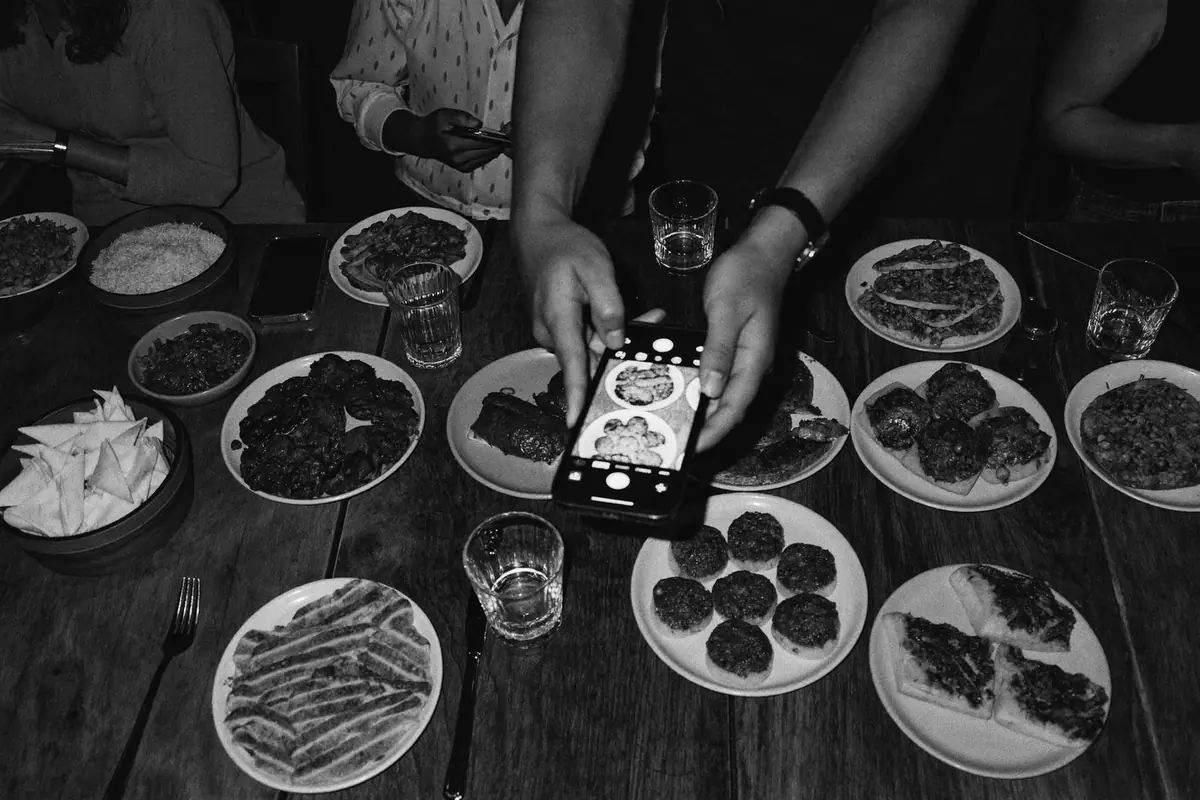
A food blogger filming a table full of food in a busy restaurant
20MEGP estimated incremental sales
+48Kextra orders after removing seasonal growth
6weeks, 30 branches against 30

Figures are approximate, recalled from memory; the client’s name is withheld.

The problem

The code report said the campaigns were working. But that report cannot tell a new customer from one who was coming anyway.

What we found

  • Codes were spreading beyond the influencers’ own audiences.
  • Some branches were growing anyway because of the season.
  • So the code report was overstating the campaign’s effect.

What we did

  • Split the branches into two comparable groups: 30 for the campaign and 30 as a control.
  • A sharing meal at a suitable average ticket.
  • 40 local creators, each matched to the branches’ catchment areas.
  • Publishing in waves, after stock, staffing and delivery were ready.
  • Measured total completed orders alongside code data, over equal periods before and during the campaign.

The result

Over six weeks (approximate figures):

  • Orders at campaign branches from 90,000 to 156,000.
  • Orders at control branches from 90,000 to 108,000, meaning 20% growth with no campaign.
  • Estimated increase due to the campaign: 48,000 orders.
  • Average net order: EGP 420.
  • Estimated incremental revenue: about EGP 20M, against a campaign cost of about EGP 4.5M.

The estimate holds as long as the branches are comparable and nothing else significant changed in the period.

← All results
B2B influencers · Software · Saudi Arabia

Specialists instead of celebrities

A store and inventory software company worked with entrepreneurship celebrities and collected thousands of enquiries. Most were still planning to start a business, while the product is built for stores already running.

A shop owner in a clothing stockroom checking inventory on a tablet
1.08MSAR added monthly recurring revenue
600new subscribing customers
4,000SAR cost to acquire a customer

Figures are approximate, recalled from memory; the client’s name is withheld.

The problem

The audience watching was not the one making the buying decision. And a submitted form was being counted as final success.

What we did

  • 12 creators specialised in store operations, accounting and e-commerce.
  • Content built around clear operating losses: stock-outs, tied-up cash and mismatched branch data.
  • Practical walkthroughs and live sessions ending in a tailored demo.
  • The sign-up form asks about the number of branches and how they are managed.
  • The campaign was tied to the stages of qualification, demo and paid subscription.

The result

Over six months (approximate figures):

  • Total campaign cost: SAR 2.4M.
  • Enquiries: 12,000.
  • Qualified leads: 4,200.
  • Completed demos: 1,800.
  • New subscribing customers: 600, at an average SAR 1,800 a month.
  • Added monthly recurring revenue: SAR 1.08M.

This is a monthly run-rate after activation, equal to about SAR 13M a year if customers stay. It is not revenue collected during the campaign.

← All results
Customer journey · Online fashion · UAE

The same traffic, 2.7× the sales

A regional fashion store spent about AED 3M a month on ads and received around 1.2M visits, yet completed sales were only about AED 4.2M. Management wanted new creative and bigger discounts.

Hands holding a phone beside shopping bags and a folded dress
11.4MAED monthly sales, up from 4.2M
3.8ROAS on completed sales, up from 1.4
+170%sales growth on the same traffic

Figures are approximate, recalled from memory; the client’s name is withheld.

The problem

The traffic was there. The problem was that a visit did not turn into an order that arrives and stays with the customer.

What we found

We analysed the journey step by step and found a leak at every stage:

  • Ads for sizes that were out of stock.
  • Slow pages on mobile.
  • Photos that did not show fabric and fit.
  • Shipping costs appearing late.
  • A long checkout.
  • Cancellations and returns caused by mismatched expectations and weak communication.

What we did

Over eight weeks we fixed the journey in three stages:

  • First: tied advertised products to stock, and improved page speed and size information.
  • Second: showed shipping and delivery early, and simplified checkout with guest purchase.
  • Third: improved confirmation, tracking and exchanges.
  • Bundles that raised the average order, with no increase in the general discount rate.

The result

Approximate monthly figures once the changes settled, on the same spend and the same traffic:

  • Add-to-cart from 72,000 to 120,000.
  • Checkout started from 36,000 to 72,000.
  • Orders placed from 18,000 to 36,000.
  • Completed orders after cancellations and returns from 12,000 to 30,000.
  • Average net order from AED 350 to AED 380.
  • Net sales from AED 4.2M to AED 11.4M.

Development and setup cost AED 300K, once.

← All results
Retention · Personal care · Saudi Arabia

A retention programme that added about SAR 15M in sales in a year

A personal care brand was winning tens of thousands of customers, with a thin margin on the first order after advertising. Growth depended on constant acquisition spend, and many customers bought only once.

An open delivery box of personal care products with a hand taking one out
+15MSAR in sales over a year
40%repeat purchase rate, up from 25%
+46%sales per customer

Figures are approximate, recalled from memory; the client’s name is withheld.

The problem

Management tracked total sales without following the value of each customer cohort over time. And the products are naturally repurchased.

What we found

We analysed the customer cohorts:

  • Messages were the same for everyone.
  • Repurchase reminders were badly timed.
  • Customers with a complaint were receiving offers before their problem was solved.

What we did

  • Usage guidance after delivery.
  • A check-in on the customer’s experience.
  • A reminder as the product is about to run out.
  • Suggestions for complementary products.
  • Win-back based on the reason the customer stopped.

To measure it properly, we split 200,000 new customers at random into two equal groups, one on the usual communication and one in the programme, and followed them for 12 months.

The result

After 12 months, with about 100,000 customers in each group (approximate figures):

  • Customers who bought again: 25,000 on the usual track and 40,000 in the programme.
  • Total orders: 150,000 against 210,000.
  • Average net order: SAR 220 against SAR 230.
  • Net revenue: about SAR 33M against about SAR 48M.
  • Sales per customer over the year: about SAR 330 against about SAR 480.

The programme’s additional cost was about SAR 2M. The SAR 480 is the customer’s value over 12 months only, not full lifetime value.

✸✦✤

About

To me, marketing isn't a cost. It's an investment, and it has to pay back.

Youssef Khalil in a black shirt, black-and-white photo
Youssef Khalil · Marketing Consultant

I'm Youssef Khalil. I started in 2010, hands-on in execution, asking myself one question after every campaign: what did the company actually gain from this?

That question is what made me grow. It moved me away from chasing likes and toward the numbers business owners really care about: sales, margin and cost per customer.

Fifteen years on, I've led marketing for brands and entire groups across Egypt, Saudi Arabia, the UAE and Europe, in industries that have nothing to do with each other: from automotive and luxury watches to hotels, sports, restaurants and healthcare.

What I took from all of it: the rules are the same in every market and every industry, but the details are what win or lose. My job is to get those details right.

15years in marketing
7years of regional leadership
35people in my largest team
20industries I've worked in


The journey, in short

  1. 2010

    Starting in execution

    A social media specialist, writing, designing and launching campaigns myself. That's where I learned what works on the ground and what only gets said in meetings.

  2. Leadership

    7 years of regional marketing leadership

    I became responsible for more than one market at once: brands being built, integrated campaigns, and teams covering every discipline.

  3. The group

    Marketing for an entire group

    I led marketing for one of the largest groups in Saudi Arabia, with very different companies under one roof: retail and fashion, healthcare, technology, real estate, mobility services and media production.

  4. Consulting

    Consultant to major brands

    I've worked as a consultant with brands like Mercedes-Benz, and with companies entering new markets or rebuilding their marketing from scratch.

  5. Training

    Trainer for business owners and marketing students

    I've trained business owners and marketing students at events and major companies across the Gulf, passing on what I learned from the work itself, not from books.

  6. Today

    A consultant with his own team

    I lead the client's marketing team, or my team delivers all the work under my leadership. Either way, I'm accountable for the result.

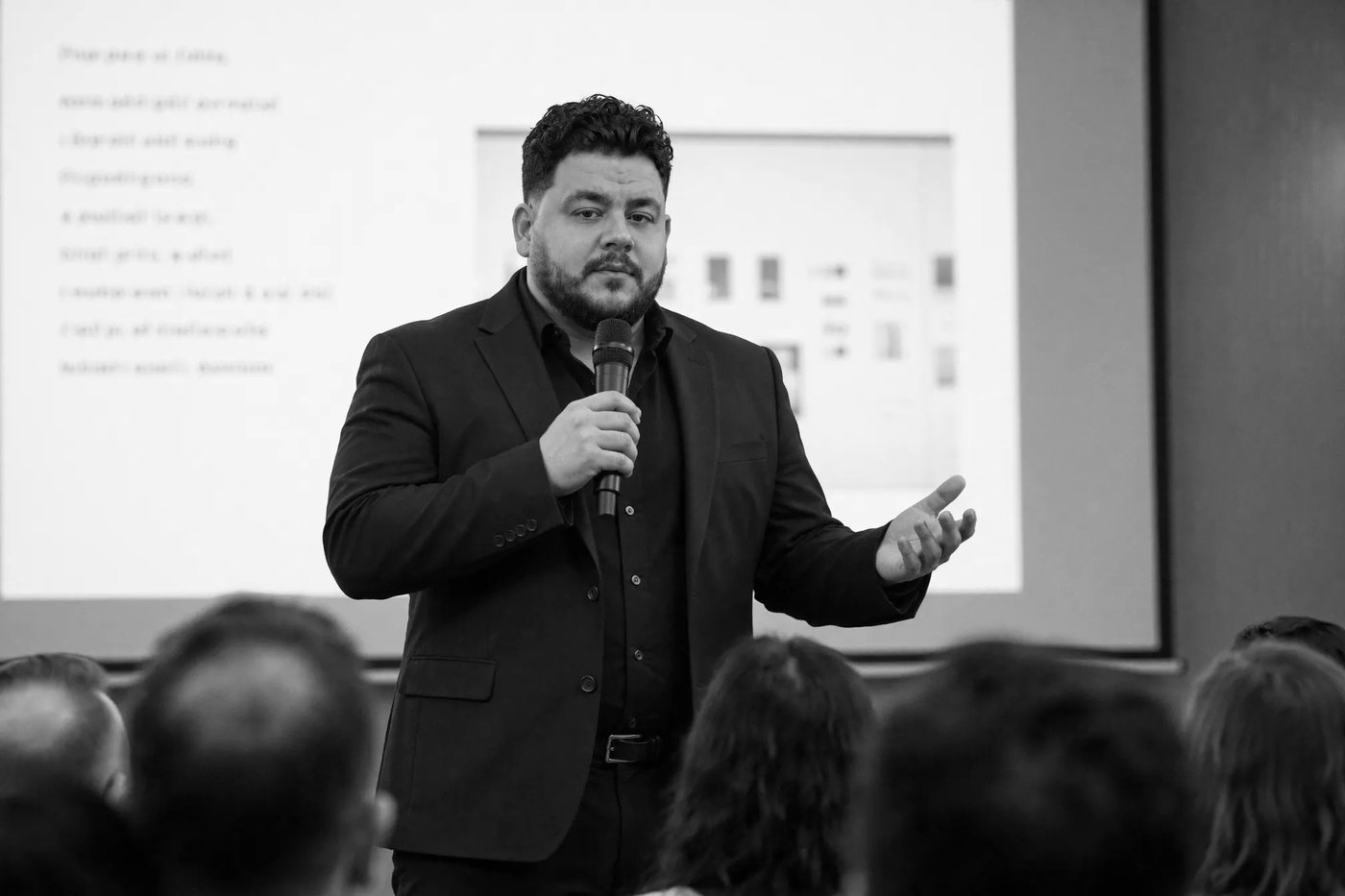
Youssef Khalil speaking on stage holding a microphone in front of an audience
Youssef Khalil holding a microphone and speaking in a conference hall

Why work with me

I start from the business problem

I don't ask what ad you want. I ask where you want to get to, and work back from that goal to the plan.

I've seen this problem before

Twenty industries and several markets mean I've already met most of what you're facing, and I know what worked and what wasted money.

My plans get executed

I've led teams of up to 35. Strategy becomes weekly priorities with a clear owner for everything.

The campaign isn't the finish line. What happens to the customer and the business after the campaign is what counts.

That's why I handle the whole journey: from the moment the customer first sees you, to when they pay, to when they come back and buy again.

Industries I've worked in

Hospitality, tourism & sports
  • Hotels & hospitality
  • Tourism
  • Sports & football clubs
  • Hajj & Umrah mobility services
  • Media & video production
Consumer & luxury
  • Automotive & dealerships
  • Luxury watches & jewellery
  • Fashion, retail & franchising
  • Restaurants & quick service
  • Consumer goods & personal care
Healthcare
  • Hospitals & medical centres
  • Pharmaceuticals & medical products
  • Physician & clinic marketing
  • Community initiatives
Business & technology
  • Software & technology
  • Smart devices
  • Real estate & construction
  • Manufacturing, import & distribution
  • Personal brands & public figures

And I work on:

  • Brand strategy
  • Marketing plans
  • Market entry
  • Integrated campaigns
  • Performance marketing
  • Business growth
  • Commercial strategy
  • Customer experience
  • Team leadership
  • Agency management
  • Training teams and business owners

Get in touch
Saudi Arabia+966 56 705 4546
Egypt+20 100 054 5100
Book a free meeting

A 60-minute marketing consultation on Google Meet. Pick the time that suits you.

✸✦✤

Videos

Three series. Pick the one you want and open its videos.

Youssef

The idea: Intro videos about me: who I am, where I started, and how I work.

The goal: Get to know me and how I think before we talk. I'll add new intro videos here as they're finished.

The intro video
1:26 · My story from 2010 to today

The intro video

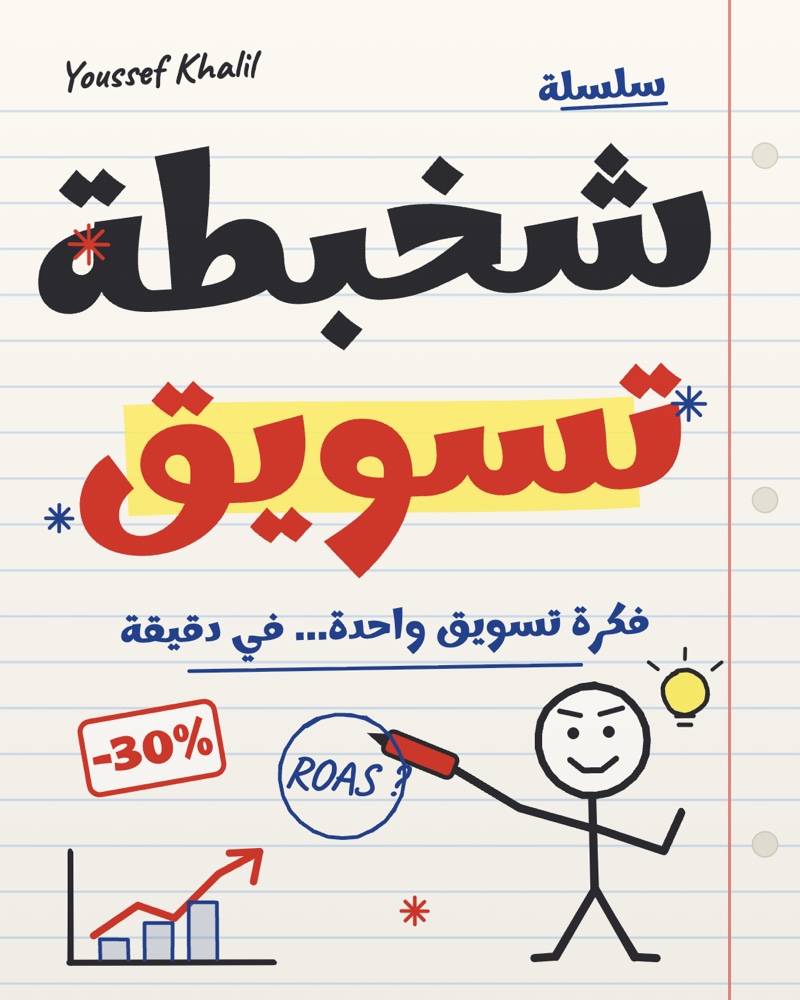
Marketing Doodles series cover

Marketing Doodles

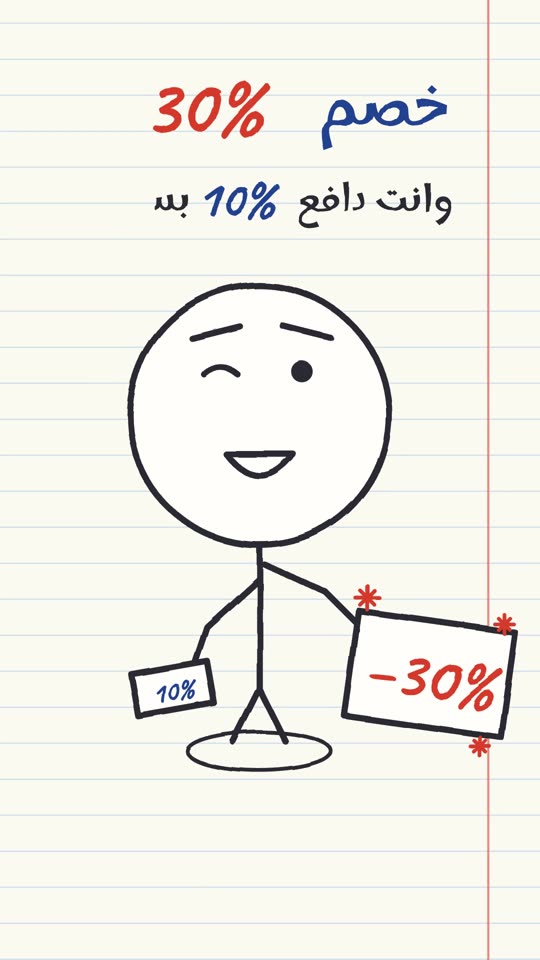
The idea: A series of short videos drawn on notebook paper with a stick figure. Each video explains one marketing idea in about a minute.
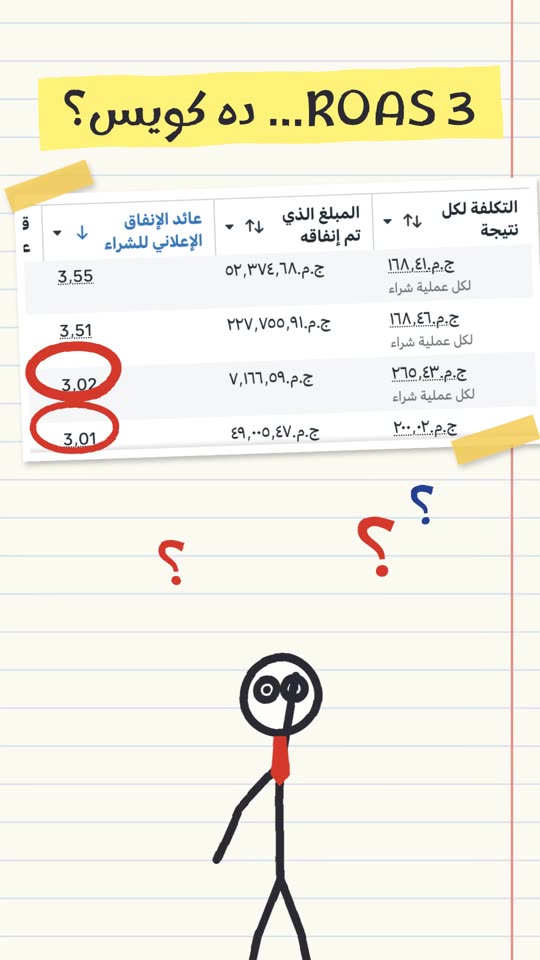
The goal: A business owner understands their numbers and decisions without jargon. Each video answers one question, such as: is this discount making me money? Is this ROAS good? When do I scale the ad?
Discounts aren't free

6 episodes

Do the maths on the offer before you launch it: maximum discount, returns and real profit.

The maximum discount you can give
01

The maximum discount you can give

A 30% discount that costs you 10
02

A 30% discount that costs you 10

Returns
03

Returns

Don't become a discount brand
04

Don't become a discount brand

Is this ROAS any good?
05

Is this ROAS any good?

The final review
06

The final review

The ad is innocent

4 episodes

When sales drop, the problem is usually somewhere other than the ad.

Before you hit publish
01

Before you hit publish

The hurdle race
02

The hurdle race

Meta is blind
03

Meta is blind

The Saudi market expert
04

The Saudi market expert

A customer isn't an order

5 episodes

Earn from the same customer more than once, whether you sell a product or a service.

Hamada and Karim
01

Hamada and Karim

A customer isn't an order
02

A customer isn't an order

Product or service?
03

Product or service?

If you sell a product
04

If you sell a product

If you offer a service
05

If you offer a service

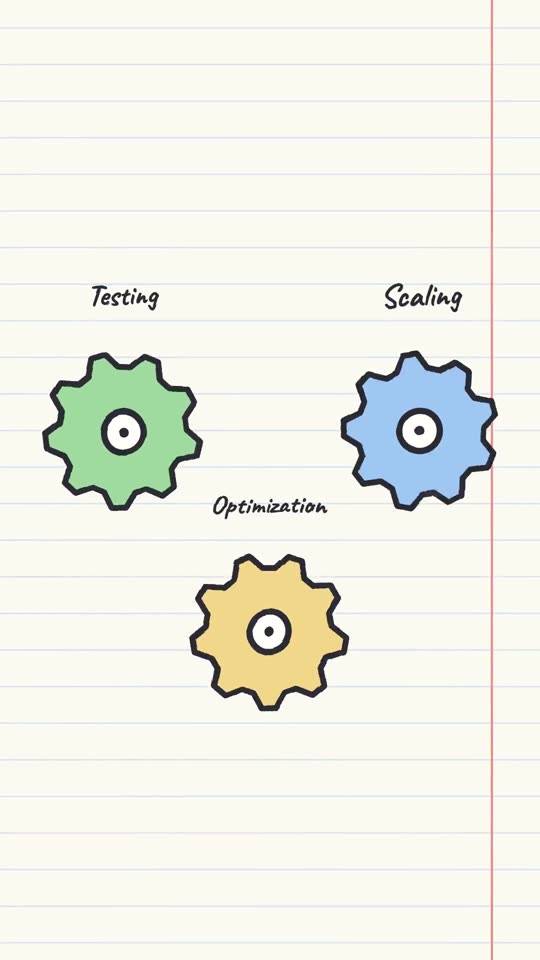
The winning ad

5 episodes

The four stages that make an ad win: from the first test to scaling.

The 4 stages
01

The 4 stages

Testing
02

Testing

Optimization
03

Optimization

Scaling
04

Scaling

The strategy
05

The strategy

What If…?

The idea: Each episode takes a historic event people know, puts me in it as a marketer, and asks: what if someone had applied one marketing concept before the decision was made?
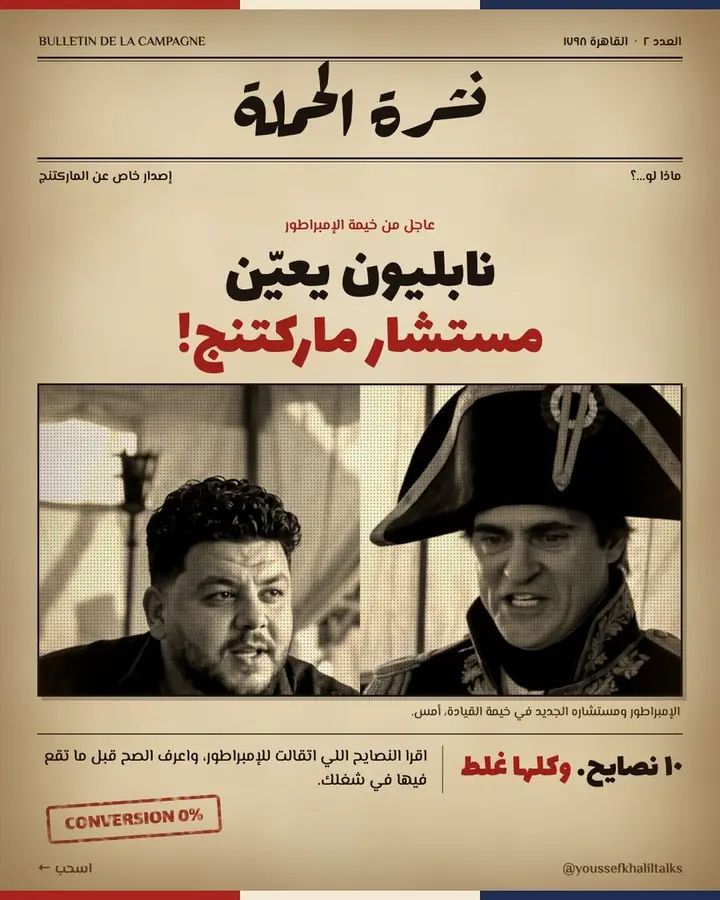
The goal: A marketing concept is understood and remembered through a story, not a lecture. Each film leaves you with one lesson you can apply in your company.
Muhammad Ali and the Citadel
Episode 1 · 3:34

Muhammad Ali and the Citadel

Napoleon… a victim of marketing
Episode 2 · 4:54

Napoleon… a victim of marketing

Titanic: Unsinkable
Episode 3 · 7:13

Titanic: Unsinkable

The lesson in each film
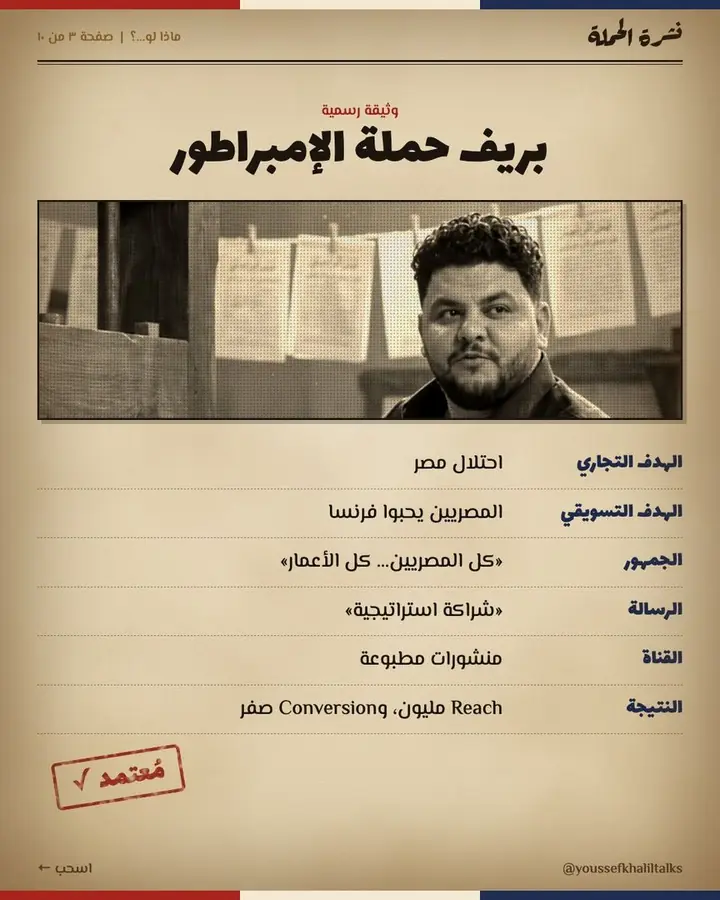
Each film comes with a carousel explaining the marketing ideas in it. Swipe through. The slides are in Arabic.

Muhammad Ali and the Citadel

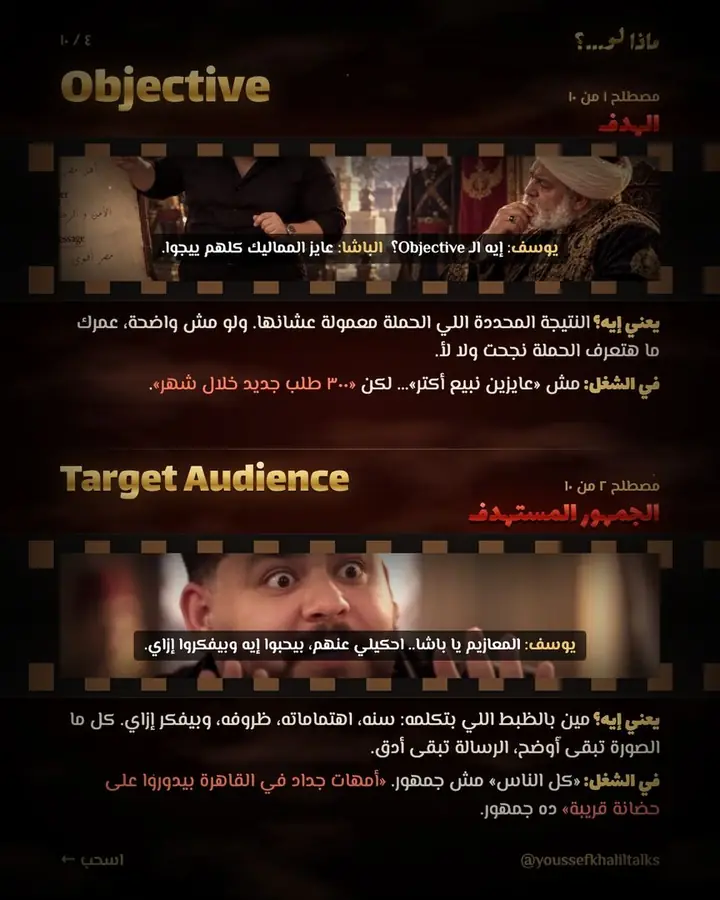
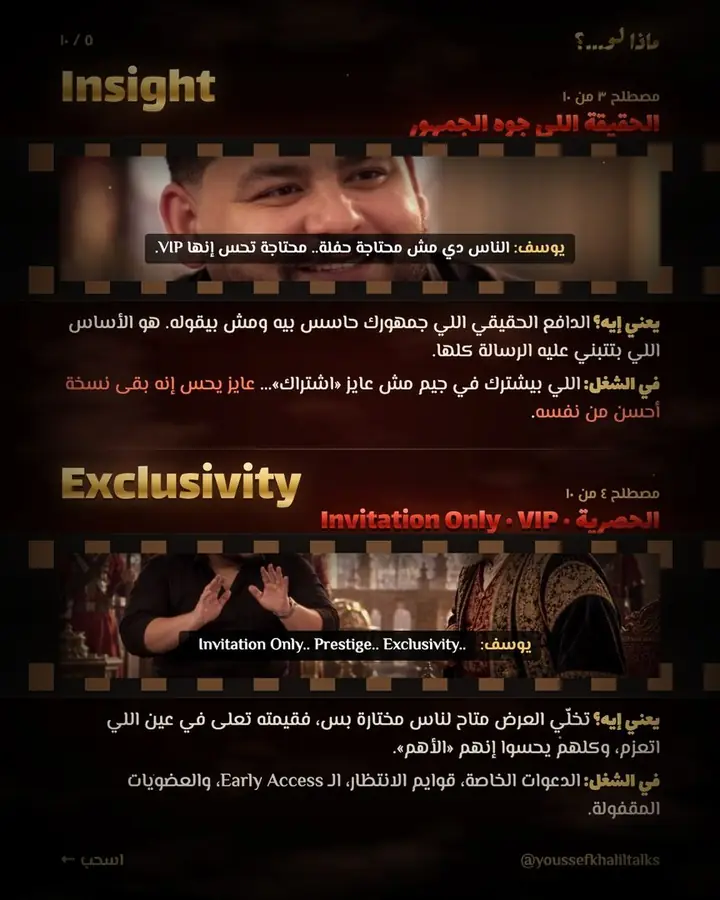
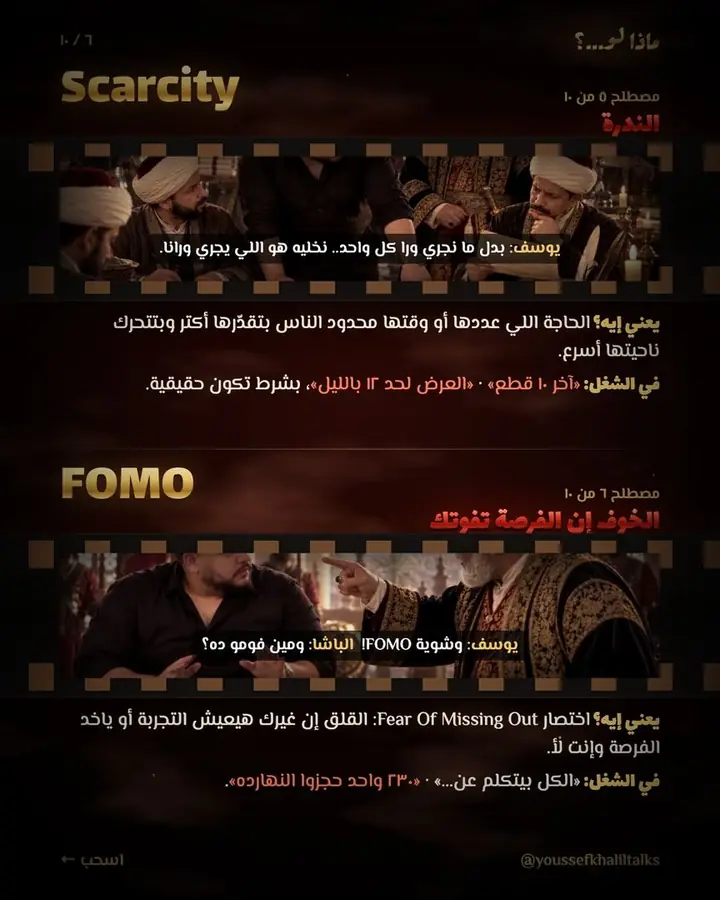
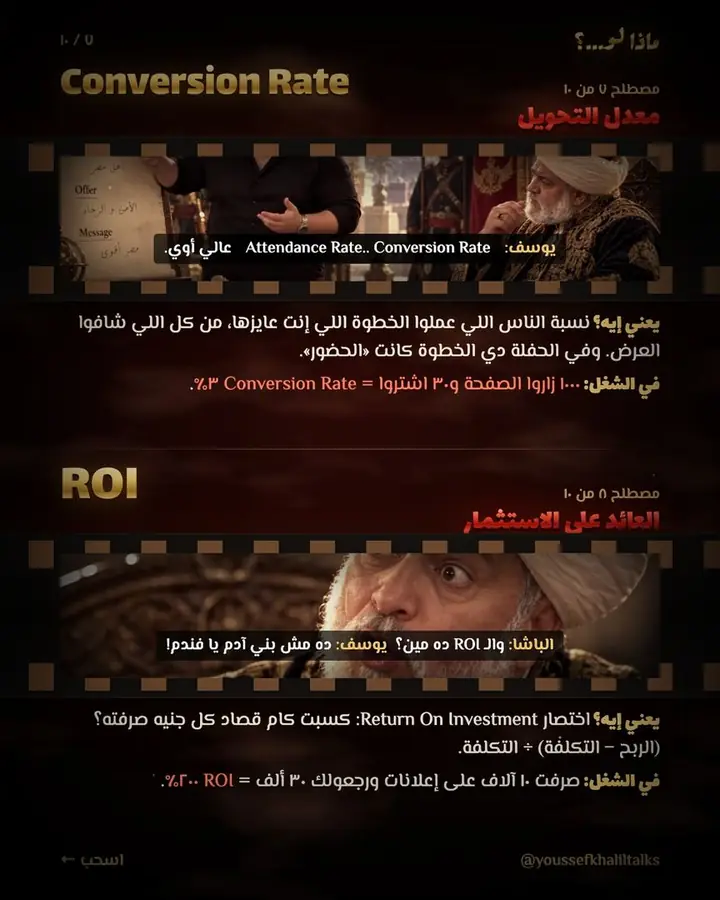
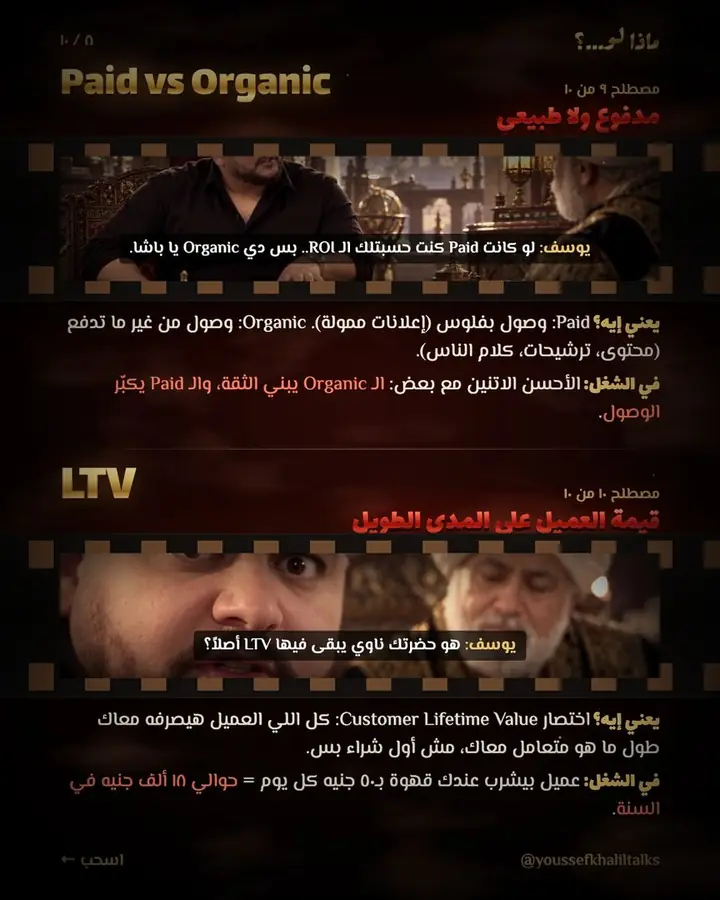
Youssef’s dictionary for the Pasha: 10 marketing terms from the film, with the real lesson on the last slide.

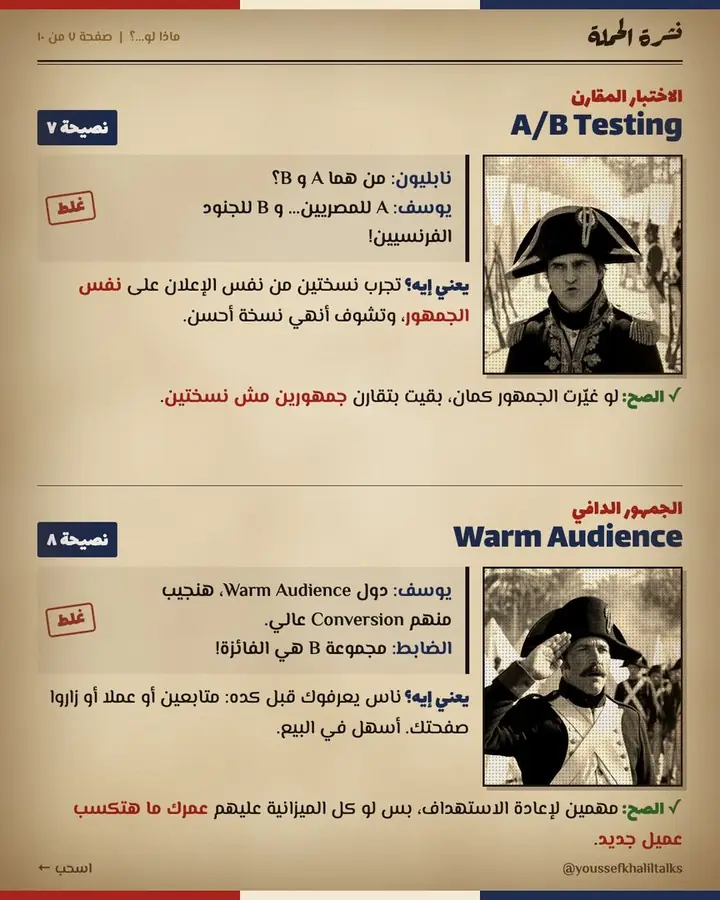
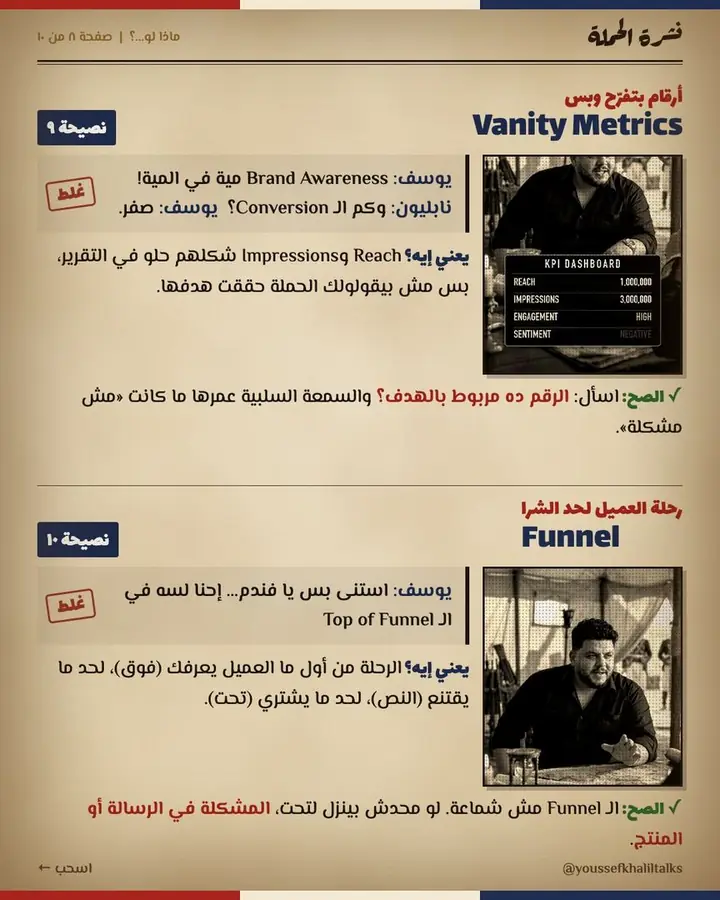
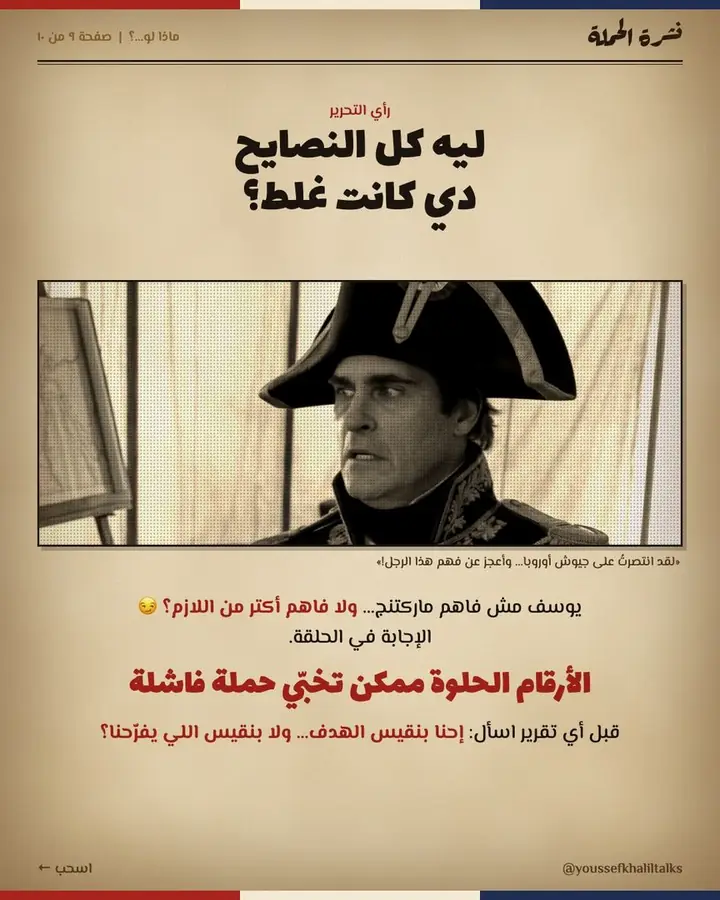
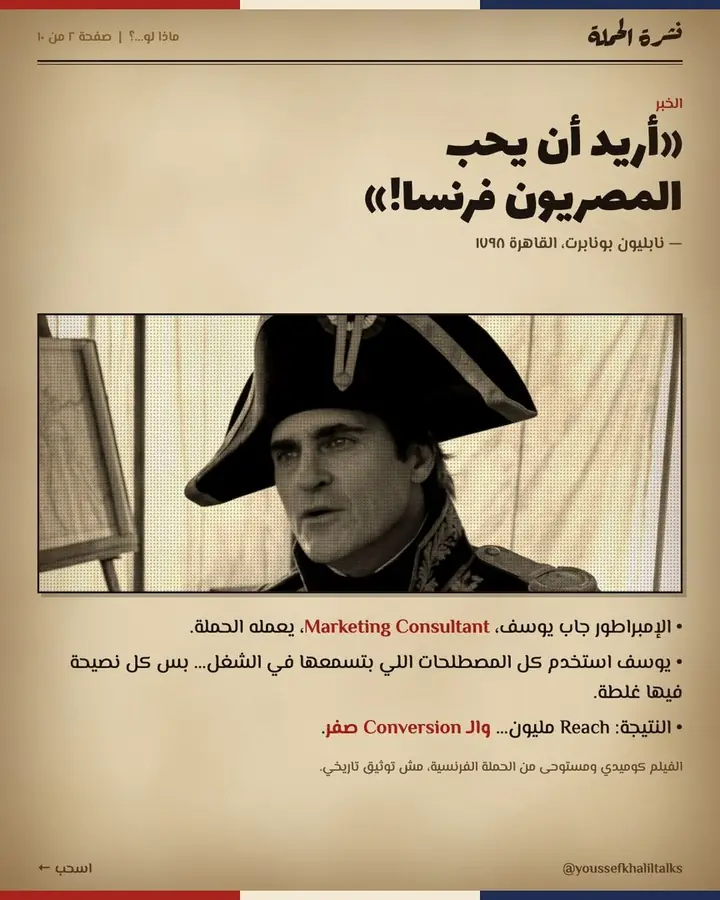
Napoleon… a victim of marketing

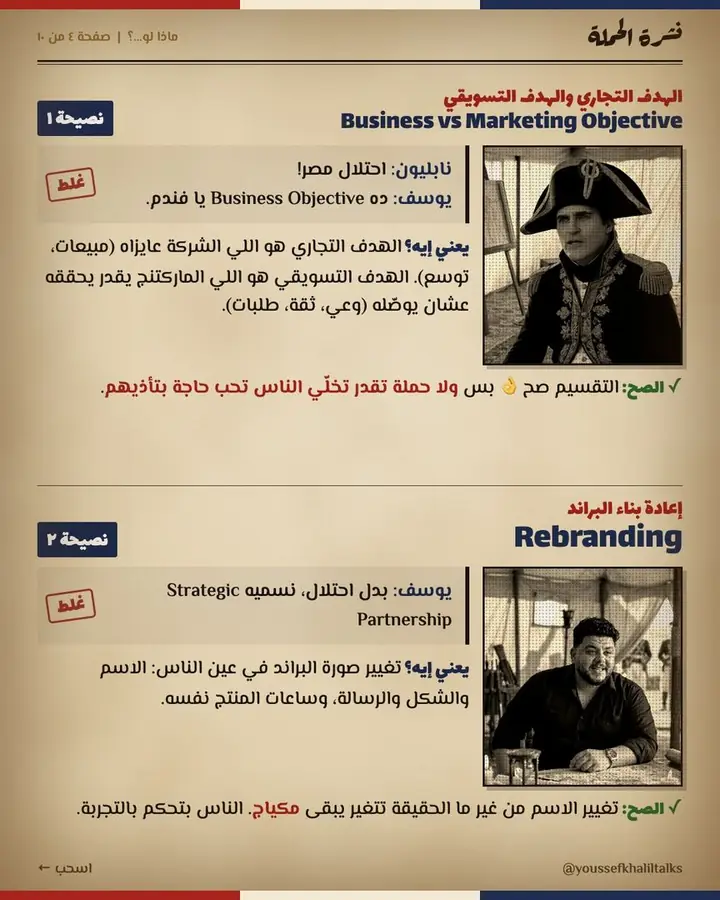
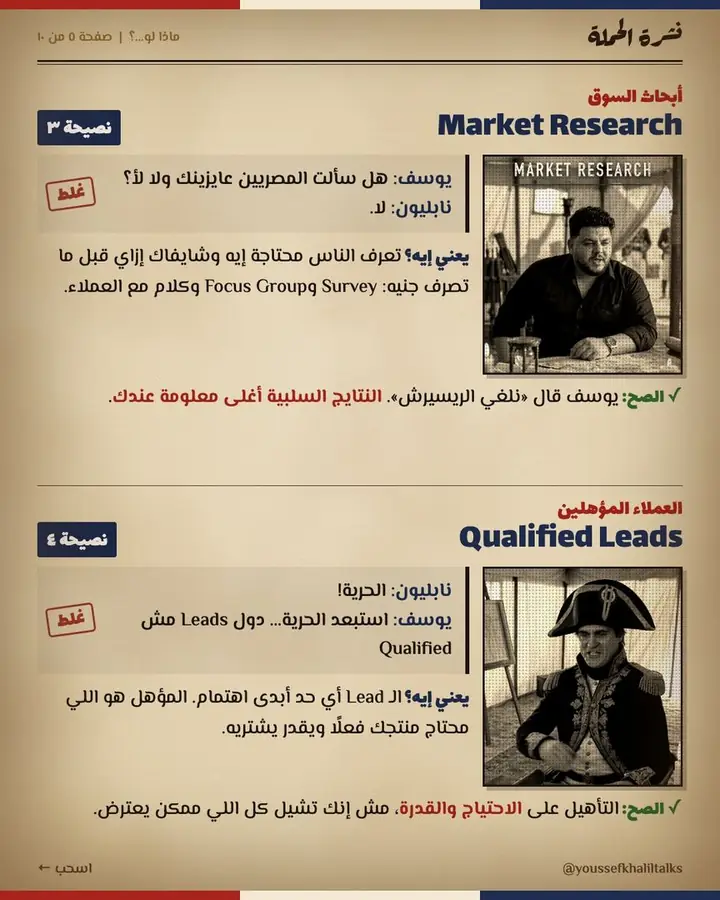
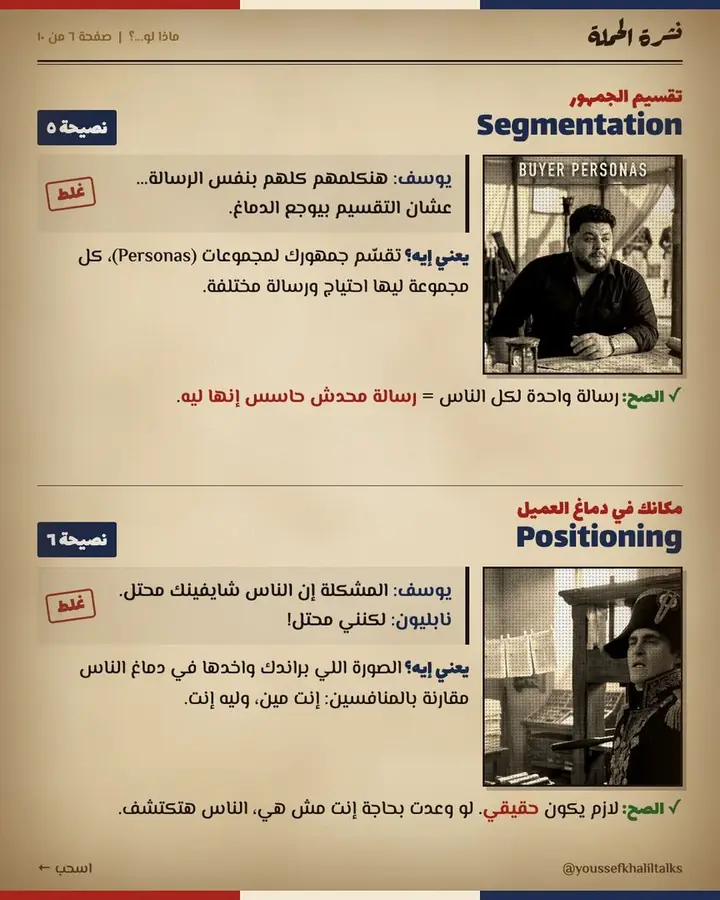
Youssef’s advice to the Emperor: 10 marketing tips, each with a mistake in it and the right version beside it.

Episode 4: Ramses II and the Battle of Kadesh. Coming soon.

✸✦✤

Let's talk

The first intro call is free. If I can't add value, I'll tell you from the start.

WhatsApp meBook a free meeting
WhatsApp